

Baw Pen Nyang
12 November 2012
October 28th – November 8th
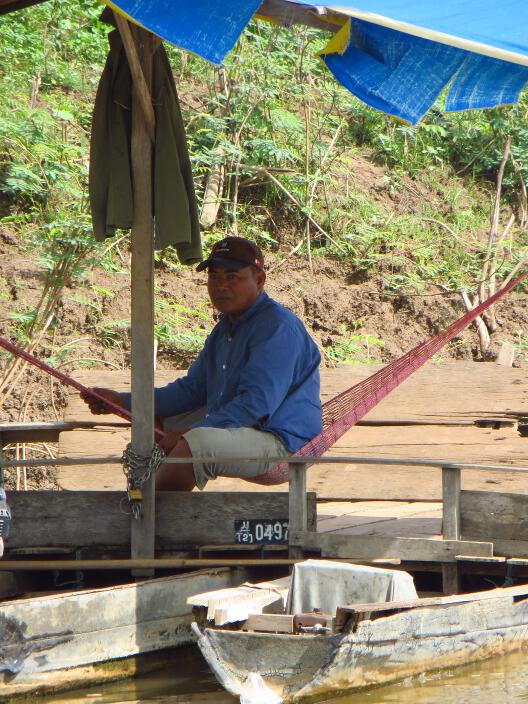
After crossing the Lao border and cursing the Custom Officers for their bribing, we made our way to the “400 islands”. They may not be exactly 400 islands, or at least not all of them are populated, but they’re all on the Mekong River. Ferries take you across to some, fishermen boats to others. We tried a “traditional” island, by the Lonely Planet standards anyways, but only motorbikes were allowed on the tiny raft across, so we went to Dong Khong instead.
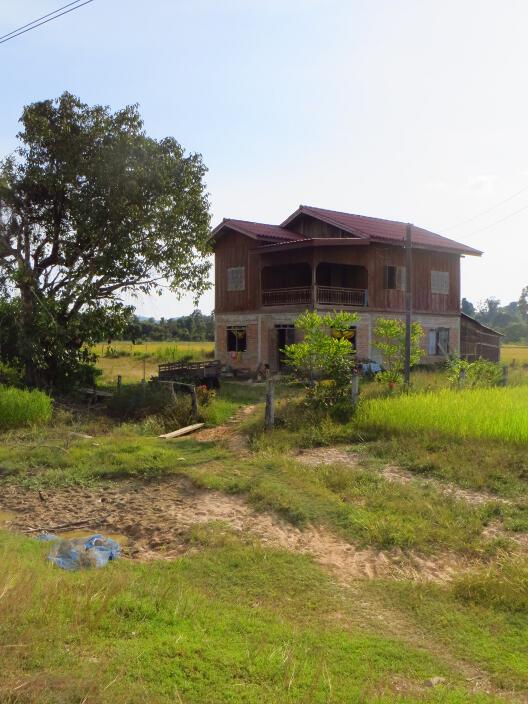
The ferry-barge takes approximately three minutes to the shore but we got our first impression of Laos there: it’s green, it’s peaceful, it’s quiet, traffic is limited, people smile and the view is awesome.
Once we booked in the guesthouse it was already beer o’clock and we sipped our drinks watching the sun going down on the river, with the slow pace one can find on any island anywhere in the world. Whether it was the island pace, or the heat, or just exhaustion, we both felt very weary and even the walk up the top of the mountain wasn’t enough to wake us up. We were knackered, and we spend the best part of the day like two beached wales.
To top things up, the chicken Julie ate that night was way off and she got really sick. But when I told the waiter his meet was gone, and we wanted another plate, he casually acknowledged the fact the chicken was last week’s and had reached the island on a slow boat. Basically, he knew it was off but did not care one bit. We did manage to get a second plate but that did not prevent poor Julie from spending all night and all day after that running from her bed to the toilets.
So while she was out emptying herself from both ends, I decided to change my fuel filter, long overdue since the failed service in Bangkok (see previous post). It’s only after my third attempt that I realized I had missed one o-ring inside the box and that could be the reason while my engine was running like it had tuberculosis. Tadaa, now at idle there’s no more couching. Idiot.
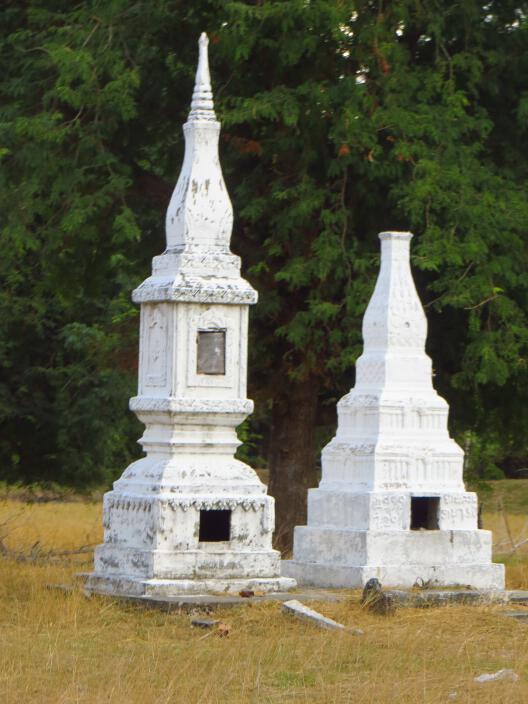
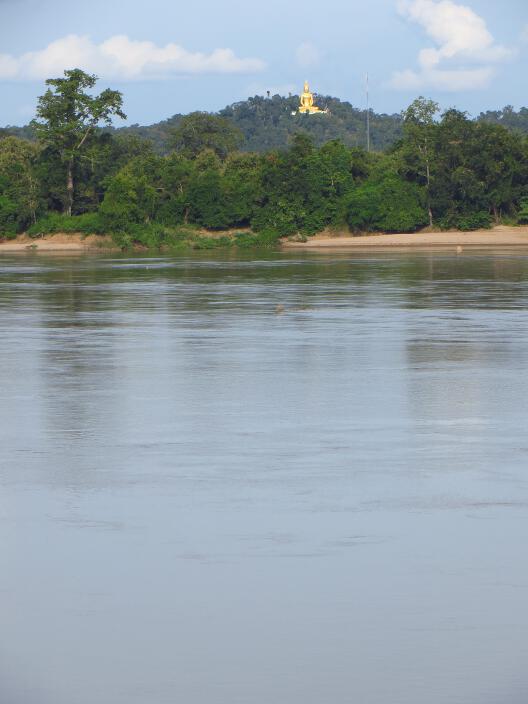
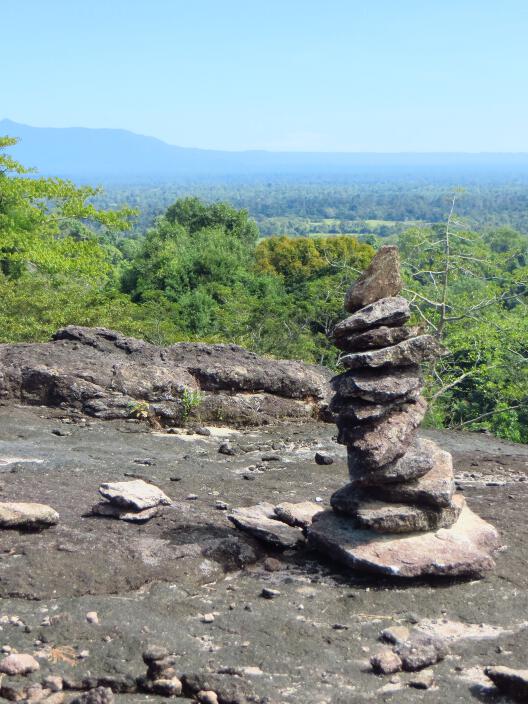
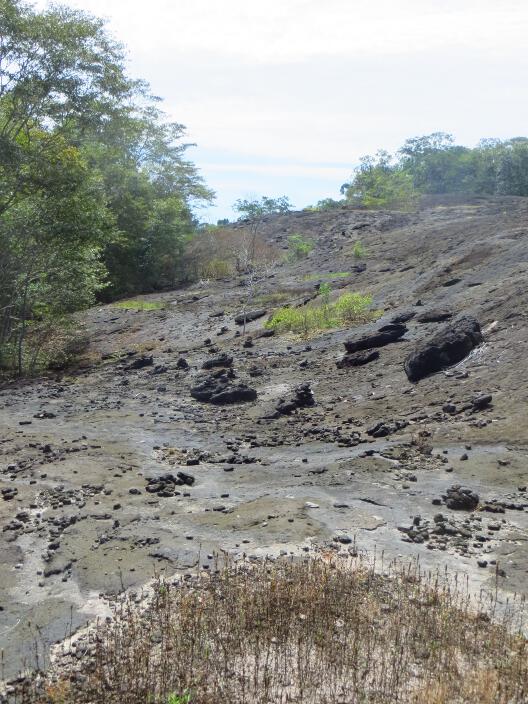
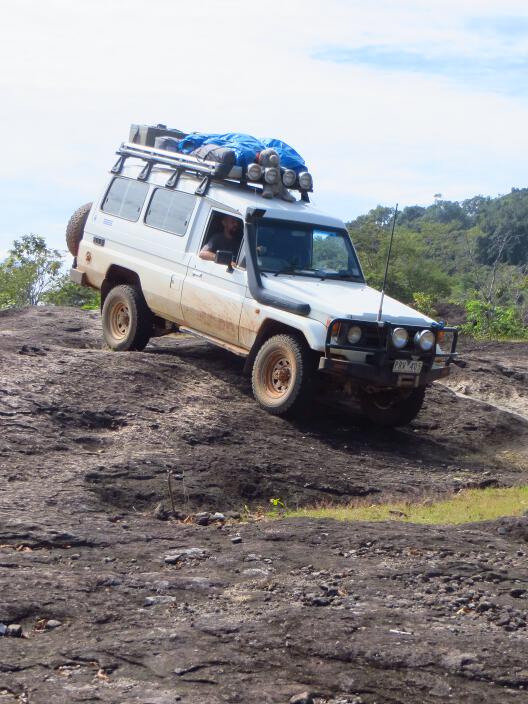
We finally left the island to try and locate the “secret spot” Sander and his girls had left for us. All he told me was my name was written in big letters with rocks, on top of a mountain, somewhere near a lodge and a stuppa. Right. Off we go then, let’s play the game. Well, actually, it was pretty easy to find. Only we decided to climb a bit further uphill. And I do mean, climb. But a few (big) rocks is nothing for the mighty Troopy. Low range, diff lock on, and up she goes. Too easy.
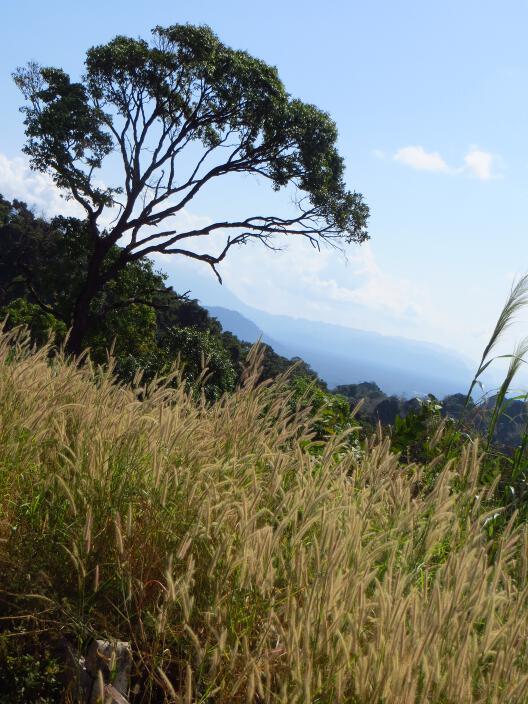
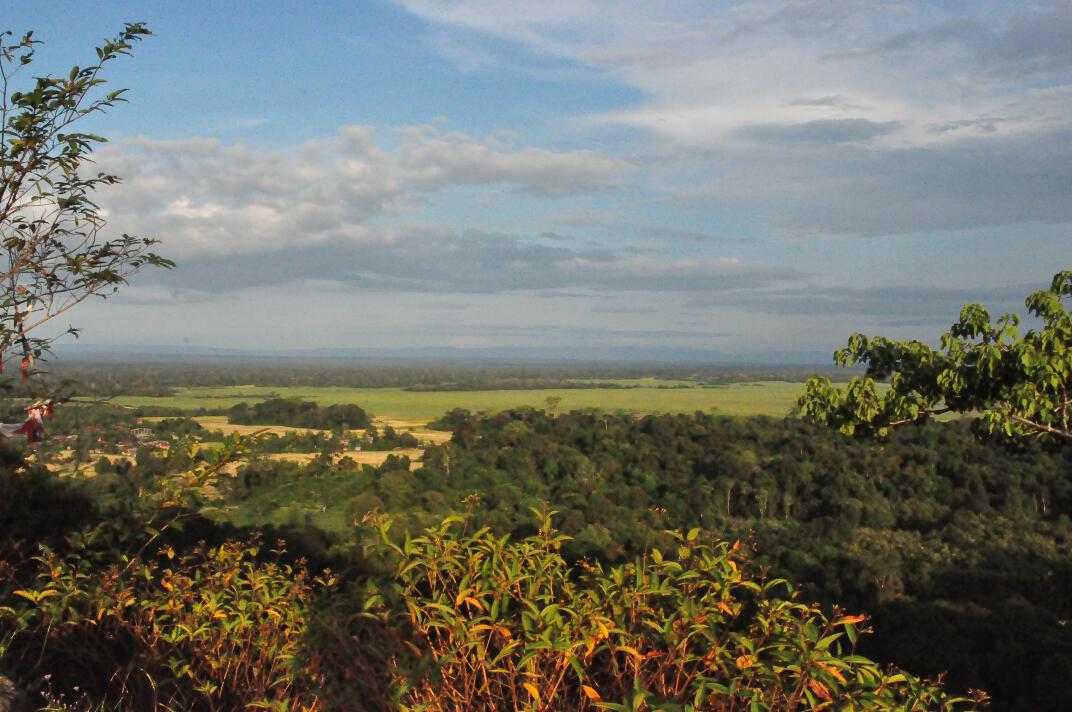
And so we were, for the next twelve hours, all alone, on top of a mountain, overlooking a spectacular view, watching the sun go down as a couple of tourist passed riding an elephant… Thank you Sander, you made my day.
Bad news though, the tent is on its way out. Yes, the new one, the one we bought in Darwin to replace the old one, the one that has been used maybe 30 times, is already dying. I won’t name names, but honestly, when the biggest camping equipment in Australia sells a tent at this price, I expect better. I don’t know, maybe it is not designed to be used in a harsh environment, on a day-t-day basis, probably more like twice a year on a fishing trip on the Queensland coast or something. But after just thirty or so nights in this one, three poles are broken, the so-called rust-free joints are splitting, and that’s not to mention the carry bag that is ripped in two. I’m starting to regret the old one, which has been bought (second hand) in 2008 and used heavily for six months. Still, speaking of the old one, it makes a great source of spare parts for the new one. Hopefully it’ll last until the end of this trip, in December.
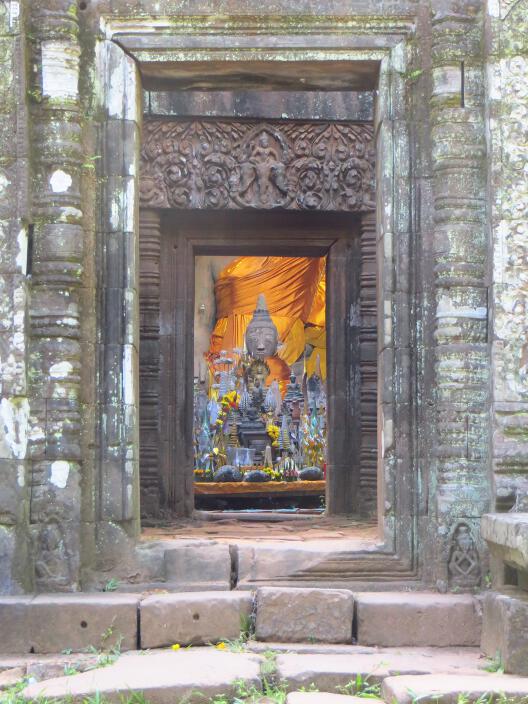
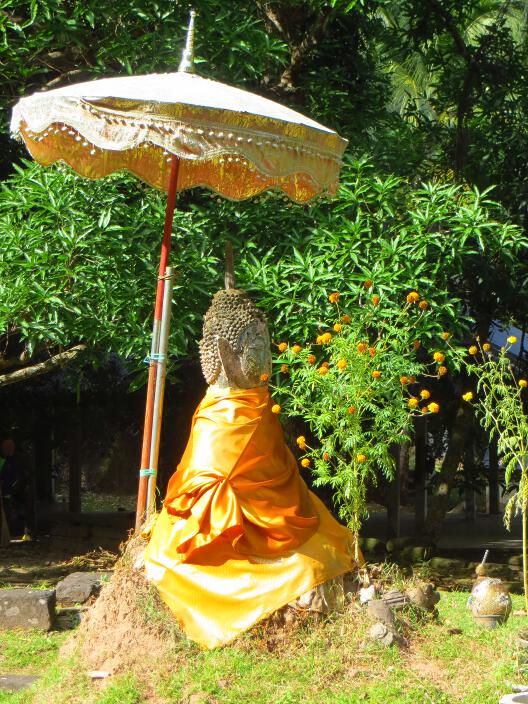
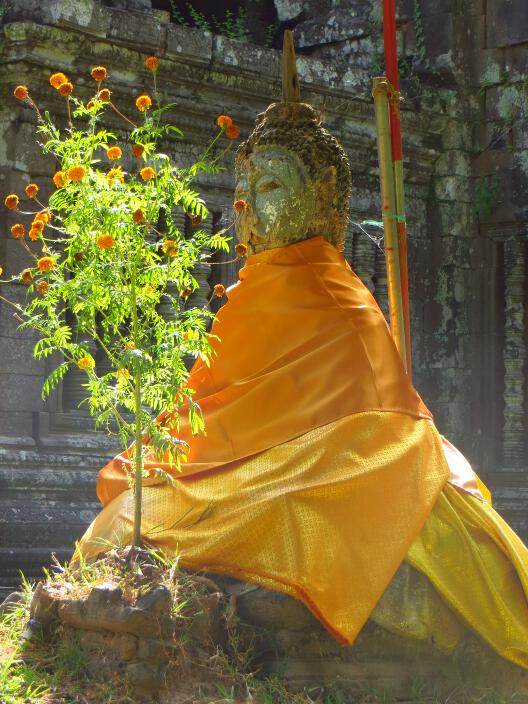
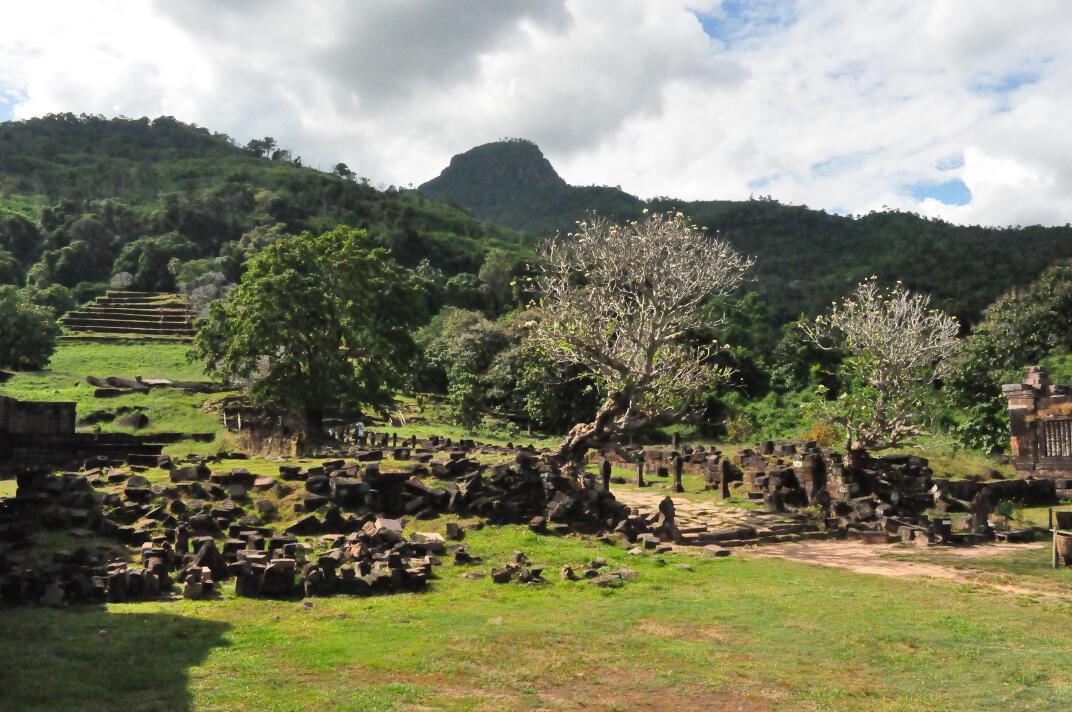
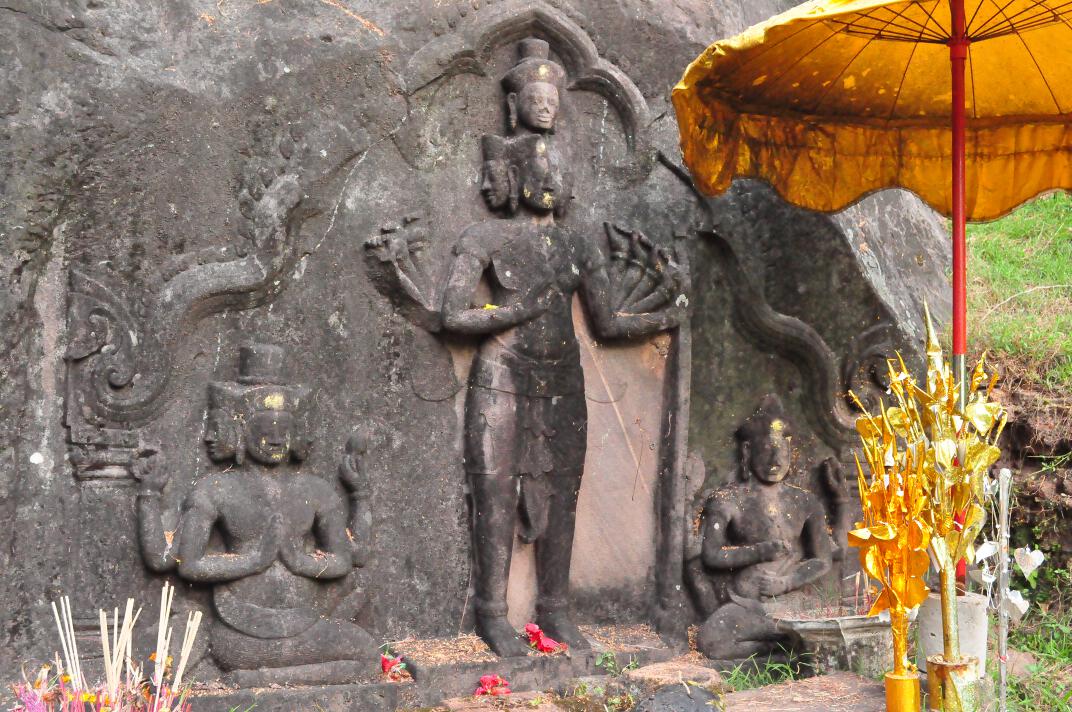
Down the hill we went, onto Champassak, using another ferry across the river (ten dollars for this one, a true rip off. As the French woman who was also paying the high price said, when you get shafted in Asia, it’s always with your consent and with a smile). Champassak is famous for its Khmer temple, built around the same time as Angkor. In fact, there used to be a road, dead straight for miles, between this temple and Angkor Wat. Amazing civilization, the Khmers. And from Champassak we headed for Pakxe, the second largest town in the south of the country.
Well it may be large but there’s not much to see or do in Pakse, but it’s conveniently located at the foot of the Boloven Plateau, which is famous for Lao coffee. Indeed, the plantations are everywhere, and you can see why the French chose this particular mountain range to start growing coffee. The plateau has a cooler climate than anywhere else in Laos, and the quality of the beans is known throughout the world. It produces a sweeter, softer Arabica, a lot less bitter than the South American version, yet full bodied and very strong in caffeine. A great cuppa!
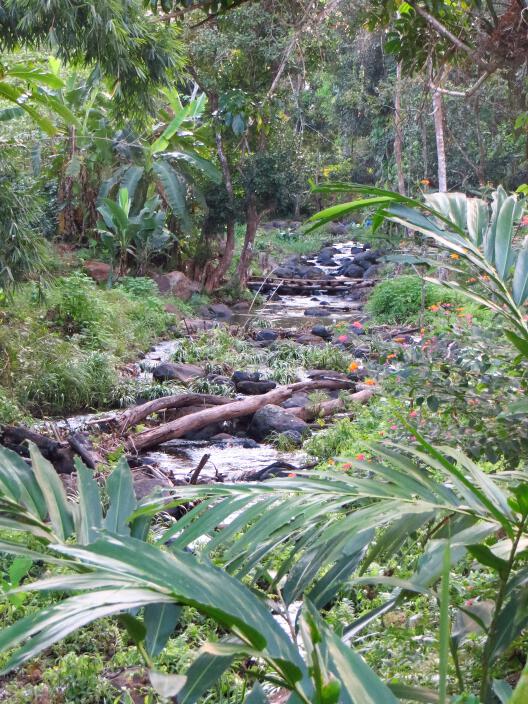
Through the plateau we went, and stopped at an organic farm, then a coffee resort with their amazing garden, and finally Tad Lo, a small but lovely village by a river. So lovely in fact we chose a homestay this time, and enjoyed Mama’s company and humongous meals. Her motto is “small money, big meal”. Indeed, the pancake at breakfast had the size of Troopy’s steering wheel.
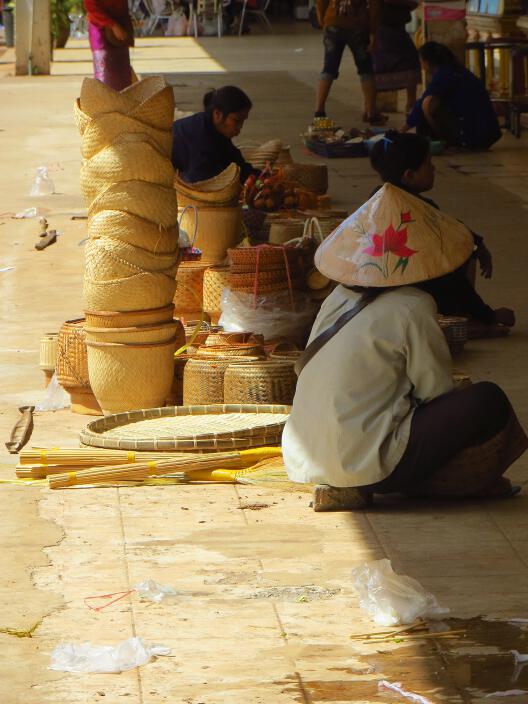
Salavan was even more boring than Pakxe but Savannakhet was a little gem. Close to Thailand it has a booming population and this brings many ecofriendly cafes, ONG-run restaurants, handicraft that actually is pretty, and best of all, Hoegaerden Beer! YAY!
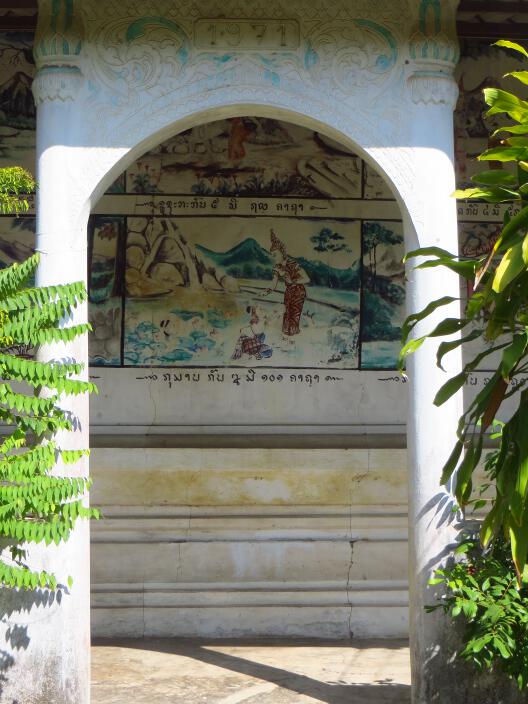
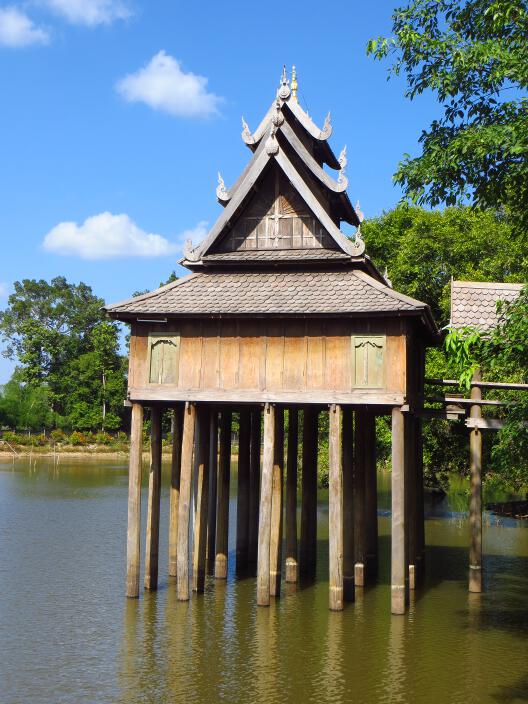
The main attraction is in fact out of town, and it takes hiring a motorbike for the day to visit. Through smaller and smaller roads still, we got to see a sacred forest populated by monkeys, an old temple filled with centuries-old documents written on palm leaves parchments, soft-shelled turtles (also sacred) in a lake, and best of all, we got to do river crossing, Lao style, yeah baby. Basically, these small motorbikes will endure anything, take on any terrain, and carry as many people as you dare. It’s a 100cc, four-stroke, one cylinder engine, with a four gear semi-automatic upside down gearbox, no clutch and a clumsy looking basket attached to the handlebar, for your groceries. Great fun to ride, they’ll keep on going, through the sand dunes, down into the river, up the bank, and all that without complaining one bit. We really could feel our sore bums after the day but the ride was awesome.
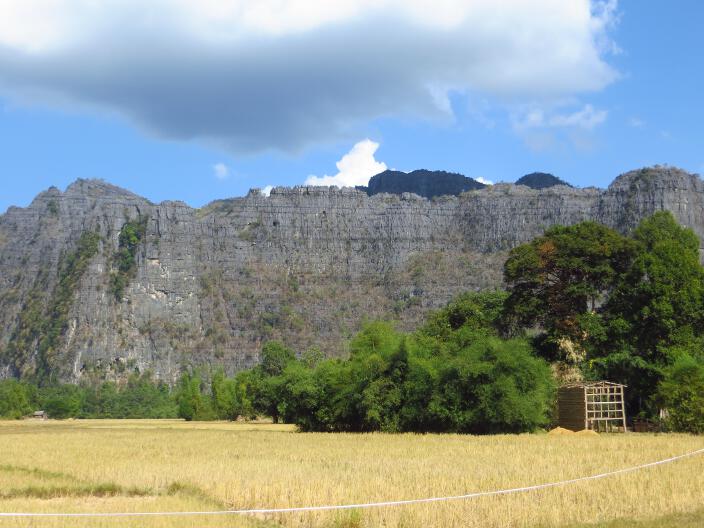
From Thakhek, a bit north, the next day, we started another loop, but this one takes two to three days to complete, and we pitied the Belgian couple met on the way, riding their motorbike. The road, though rather smooth at first, got worse and worse, then got really bad. Poor them. We were comfortably sitting in our racing seats, admiring the scenery, when they probably were cooking in the sun, breathing nothing but dust, and cursing the manufacturer for his awful seat.
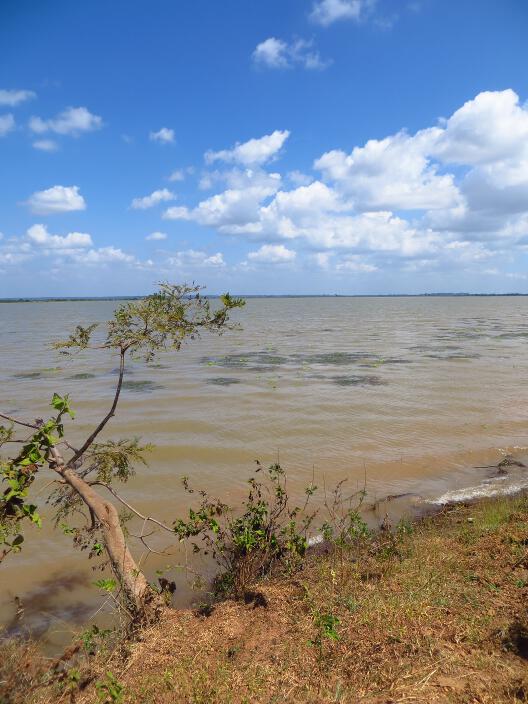
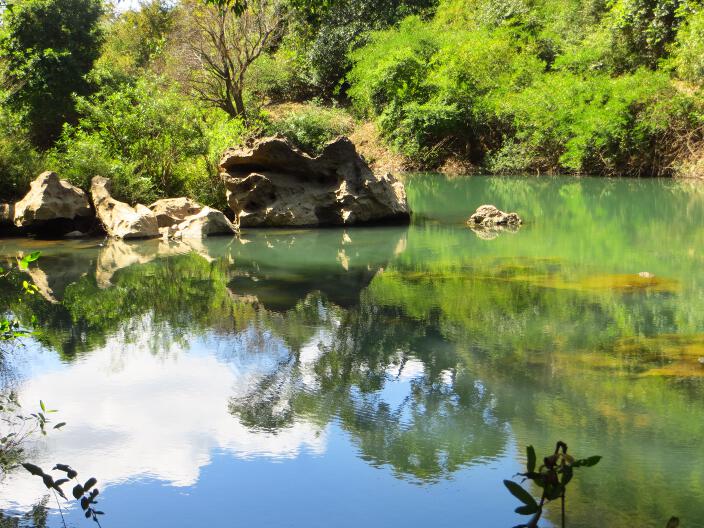
Still, that loop got us to stunning ponds for a swim, with the water so laden with calcium it’s emerald green, and through superb scenery along the flooded forest that were submerged once the dam over the Nam Theun river, one of the main rivers in Laos. The newly built dam has flooded the valley upriver and has given a “Salvatore Dali” look to the flooded river, much like south of Noumea. So nice in fact that we decided to camp there and enjoy our shrimp risotto with a cold Beerlao, watching the sun go down on the lake. Aah the bliss of overlanding.
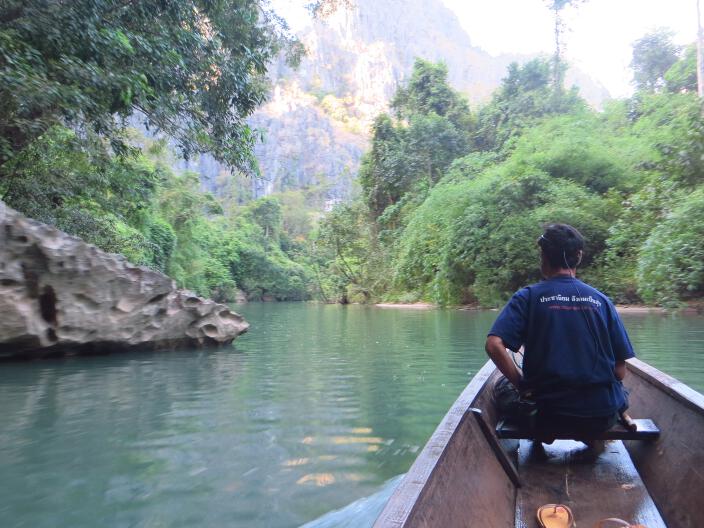
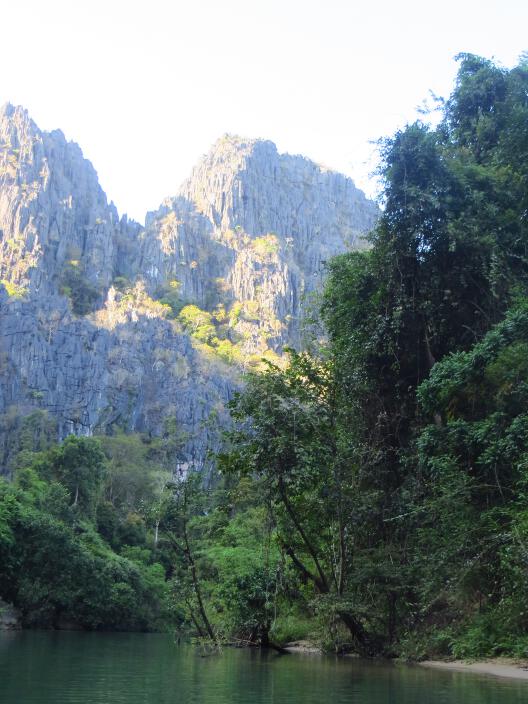
Further up the “loop” we stopped at the Konglor cave. It’s actually an underground river which can be visited by canoe. The whole trip takes three hours and return, and goes from one village to the next, under a massive mountain. Inside the cave, the height of the ceiling never goes below 50m and the width of the river about 100m. Truly amazing.
This time, beef curry for dinner, along the river and a night swim before heading north, to Vientiane, the capital, where Julie will finally reunited with her boyfriend, Matt. He’ll be joining us for the next three weeks, until Bangkok in fact. We might be a bit cramped inside the car but there’s plenty of room at the back for Julie to lie down, and plenty of space in the tent too. What’s left of it anyways.
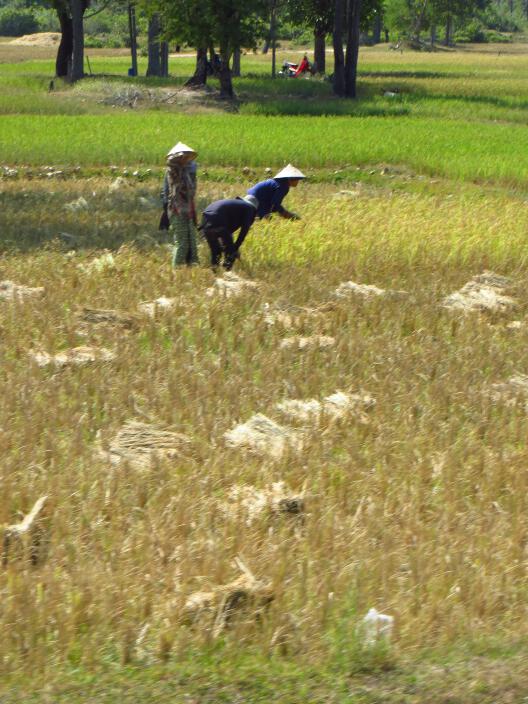
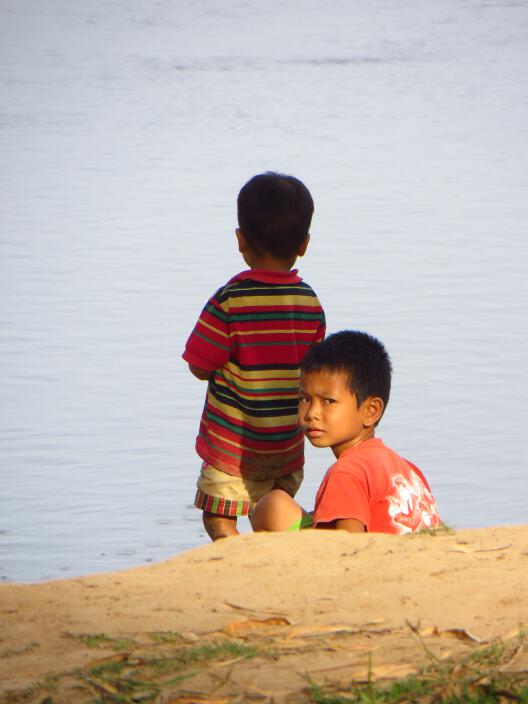
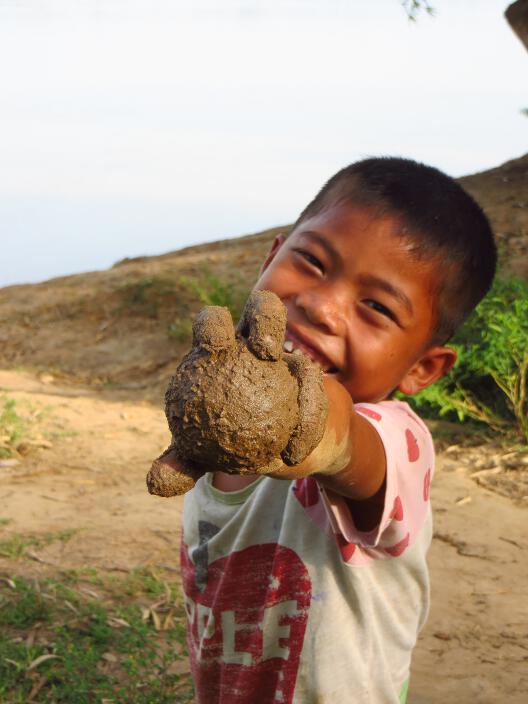
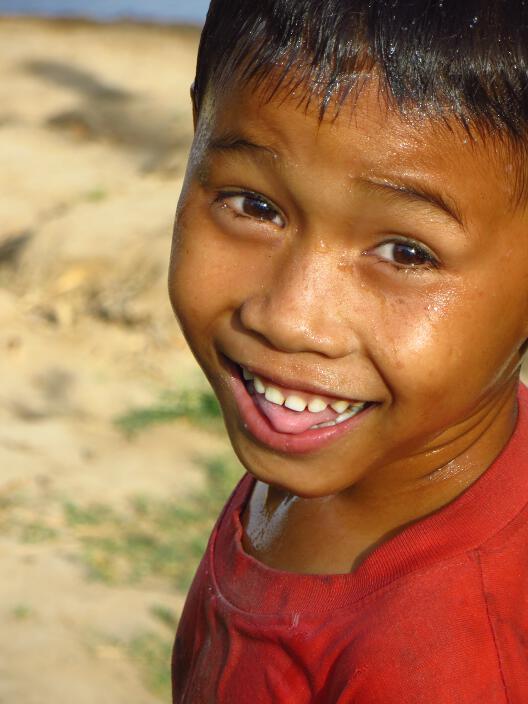
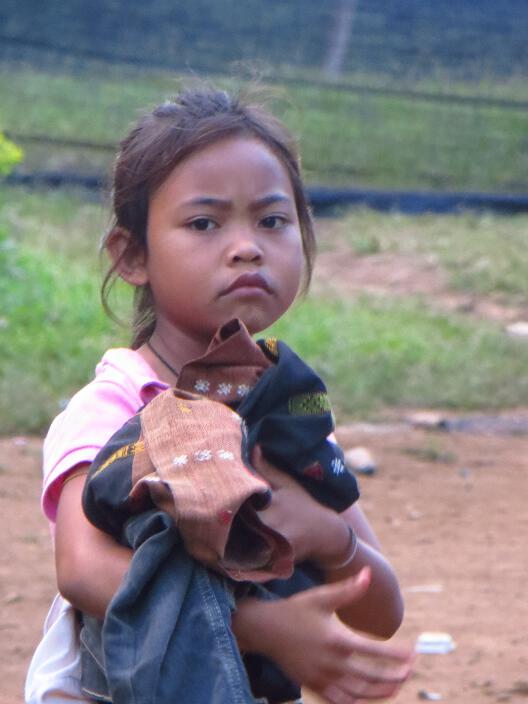
So far we absolutely love Laos, its countryside, its people… The country is green, not crowded, untouched for most part, the people are very friendly and open to discussion (when they speak English), and they’re so peaceful and relaxed. So much so that they have the same Australian idiom, baw pen nyang, which literally translates to “no worries”.
Distance to-day: 1134km, total: 39144km
Central Laos






























Southern Laos


















































 RSS - Posts