

Bali – Jawa
8 August 2012
July 23rd – August 03rd
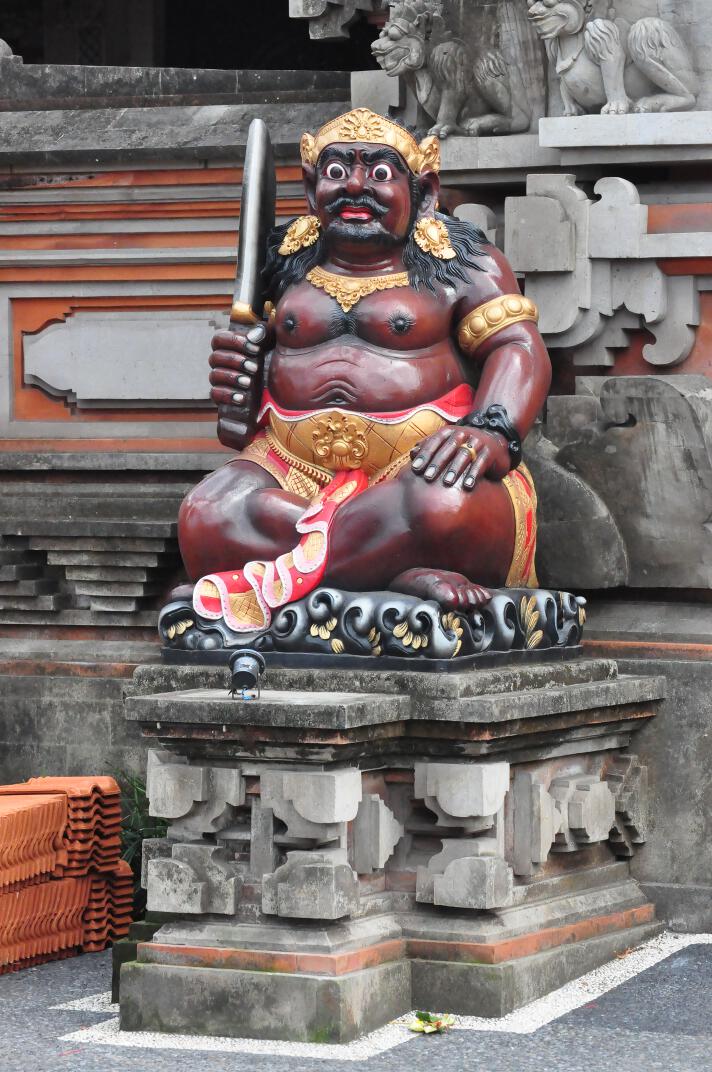
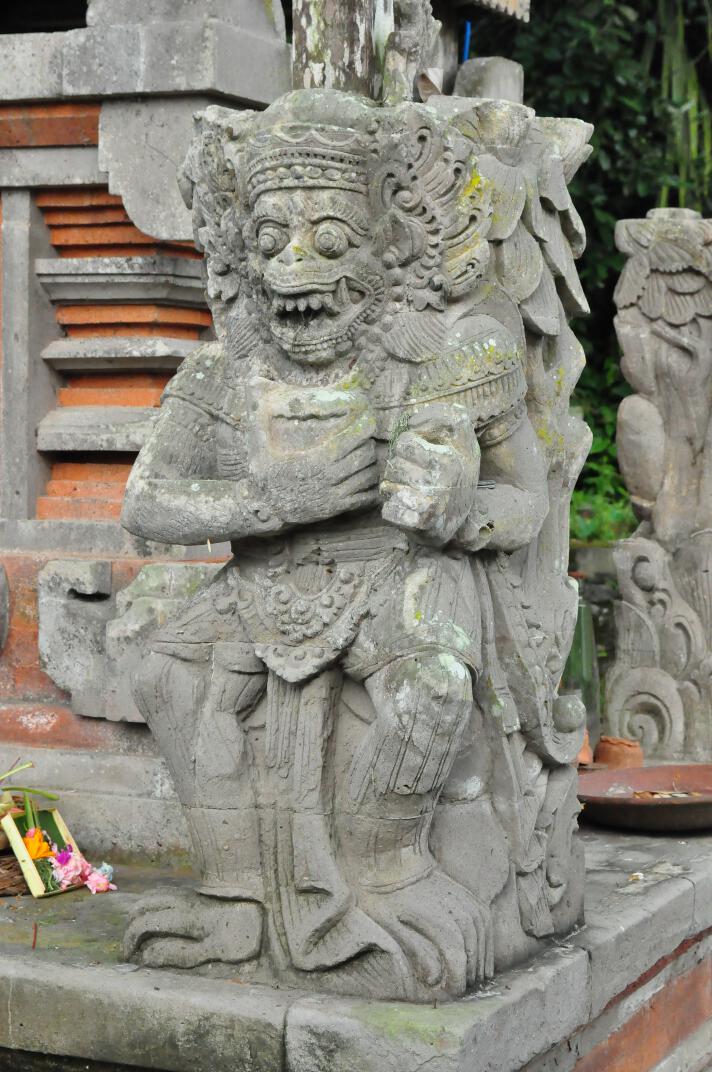
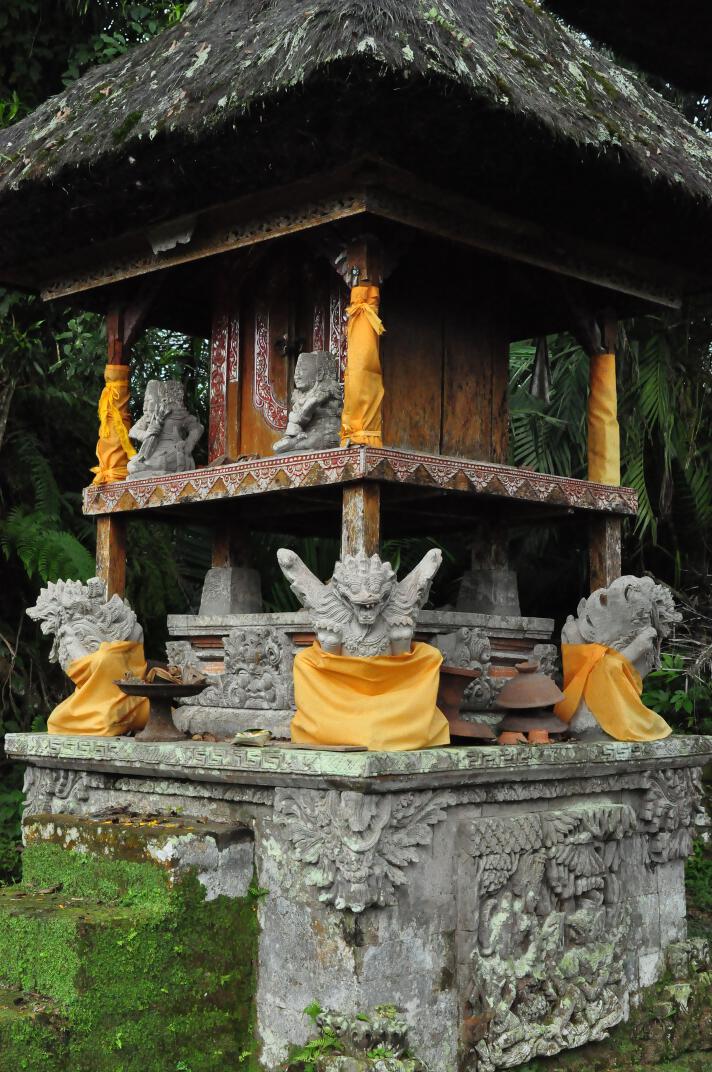
The ferry gets across the narrow straight between Lombok and Bali in a couple of hours. It’s already dark when I get on the highway to Mas, where Melanie lives. I never met Melanie but it’s like we’ve known each other since 1995. She is Luke’s sister, my best friend from Launceston (he now lives in Brazil). And I call Suzanne, her mother, mum as she calls me son. So Melanie and her husband Khan guide me through the narrow gate to their big house. As most houses in Bali, it is decorated with dragons, Hindu deities and gods, and various statues of animals. Two weeks ago, Claire was here, for two days, on her way to Noumea. As I spend my first night in a real bed in a real home for months, I realize I miss her more than ever.
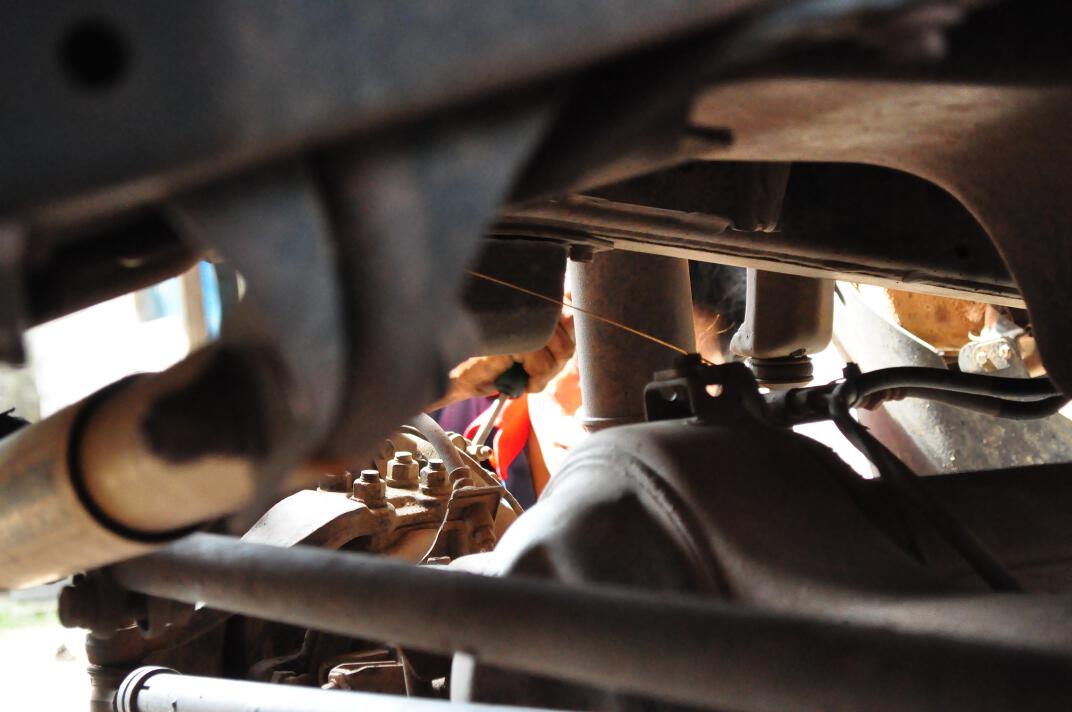
I have two missions for Denpasar, Bali’s capital: fix my brakes, and most important, find a gas bottle. When we bought the gas stove in Darwin, Claire and I were told by the vendor there were gas bottles in Bali, some that would fit the Australian (and as far as I know, international) hose system. After chasing for one in Kupang with Anna without luck, Bali is my last hope. If, with the number of Australians living here, and we all know how much Aussie love their barbecue, I can’t find one that has a “screw-on top” rather than the classic Indonesian “clip-on top”, well I guess I won’t find it anywhere else in this country.
After running around for the day in various shopping centres, I gave up. Let’s just hope I can find one in Malaysia. In the meantime, I got the brakes looked at, and hurrah, the pads have still at least 50.000km in them, it was only the brake fluid that was low. Good to know. Since I bought the truck in 1998, I’d never changed the pads, so at least now I know how old they are. While Melanie and Khan bought a television set (a surprise for Thomas, 8y.o), I went groceries shopping at Carrefour (yes, the French supermarket is even here). A few “Australian” products later, and most important, meat, I met them back in the parking lot and we went home.
During the three days I spent with them, we got to know each other, and I got to appreciate Khan’s talent as an artist, the maid’s talent as a cook, Thomas’s talent as a “boy-who-never-stops” and Melanie’s talent to make you feel home (and Phoebe’s talent as a toddler, as much talent that can be). Thank you all for your hospitality. I’ll come back, for sure.
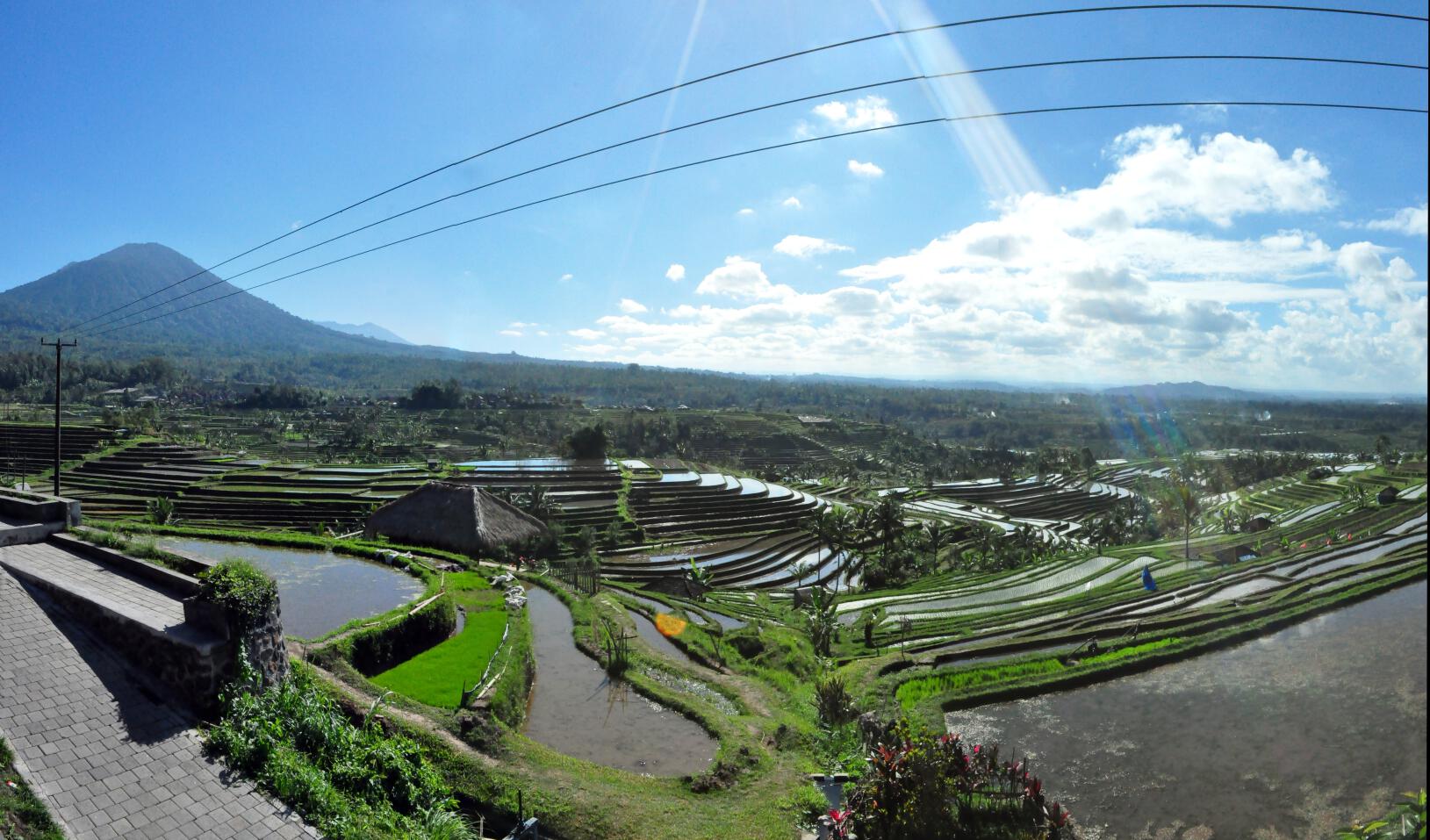
On Wednesday it was time for me to hit the road again, and I headed north, through the lakes and the mountain. I try to avoid as much as possible the crowded placed, most of all, the tourist places. A quick journey got me to the charming village of Jatiluwih, which has rice fields listed in the Unesco world heritage list. Indeed the rice fields are superb; they are just everywhere, through the hills, on each side of the road, it even looks like I’m driving through the fields. That’s how narrow the roads are. After spending two years in New Caledonia, and discovering the infinity of blues, I have now discovered the infinity of greens. Amazing.
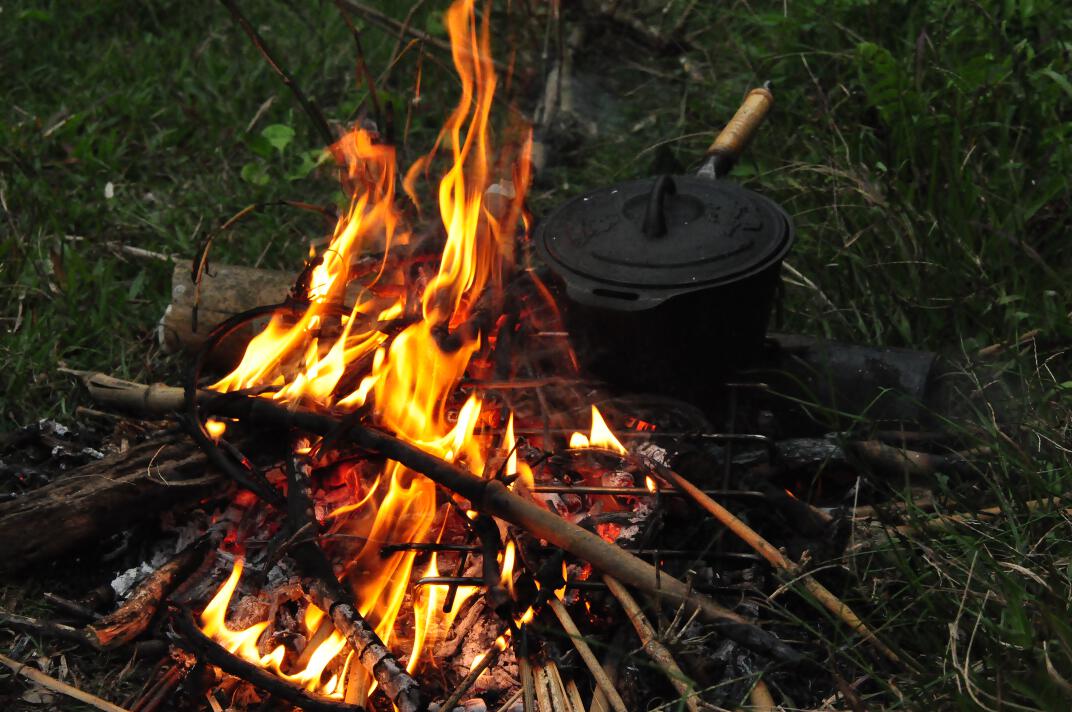
Further up the road, the temple of Batukaru. It’s a lot less crowded than any other Hindu temple on the island. This one has basically no tourist which means I have the whole place for myself, almost. But it’s getting dark so I leave this magical place and set up camp next to the temple. Shortly after I started gathering dried wood for the fire, a couple parked next to me to load some rocks in their ute. As the husband was busy with the rocks, the wife came up to me and helped me gathering wood, and lighting the fire. Thanks ma’am, that’s very kind of you. She couldn’t speak English, I couldn’t speak the local dialect, but out of nowhere, there she was, helping me. That’s how generous people are around here.
Tonight, a nice juicy steak, potatoes and a salad. As much as I like rice (it’s served at breakfast, lunch, dinner, with noodles, with soup, with everything), sometimes it’s good to eat “western style”.
At 1PM I was on the other side of the island (Bali isn’t very big, about a sixth of Belgium) to catch the ferry across to Jawa. I loved Bali for its colours, the fact it is mostly Hindu, as opposed to the other island which are mostly Muslim with the exception of Timur which is mostly Christian, gives a completely different atmosphere to it. It is a lot more flamboyant, colourful, vibrant, and alive than any other island, where religion imposes a more discreet lifestyle. It really feels like it’s a party every day in each village, but unfortunately it is also packed with tourists, which means it’s more expensive than any other island, and you can find McDonalds, KFC and obese tourists drinking cheap beer.
So off to Jawa I went, thirty minutes later I went south, full of confidence I could find this remote National Park which supposedly has one of the very few remaining tigers in the country. Well, there’s a reason why nobody ever visits it, according to the Lonely Planet, it’s bloody hard to find. The fact road signs are still a concept here, and the fact it’s not even listed in my GPS made it just impossible to find, so I gave up and went back north, towards Ijen. I camped near a river in the rice fields, with the nearby muezzin keeping me awake most of the night.
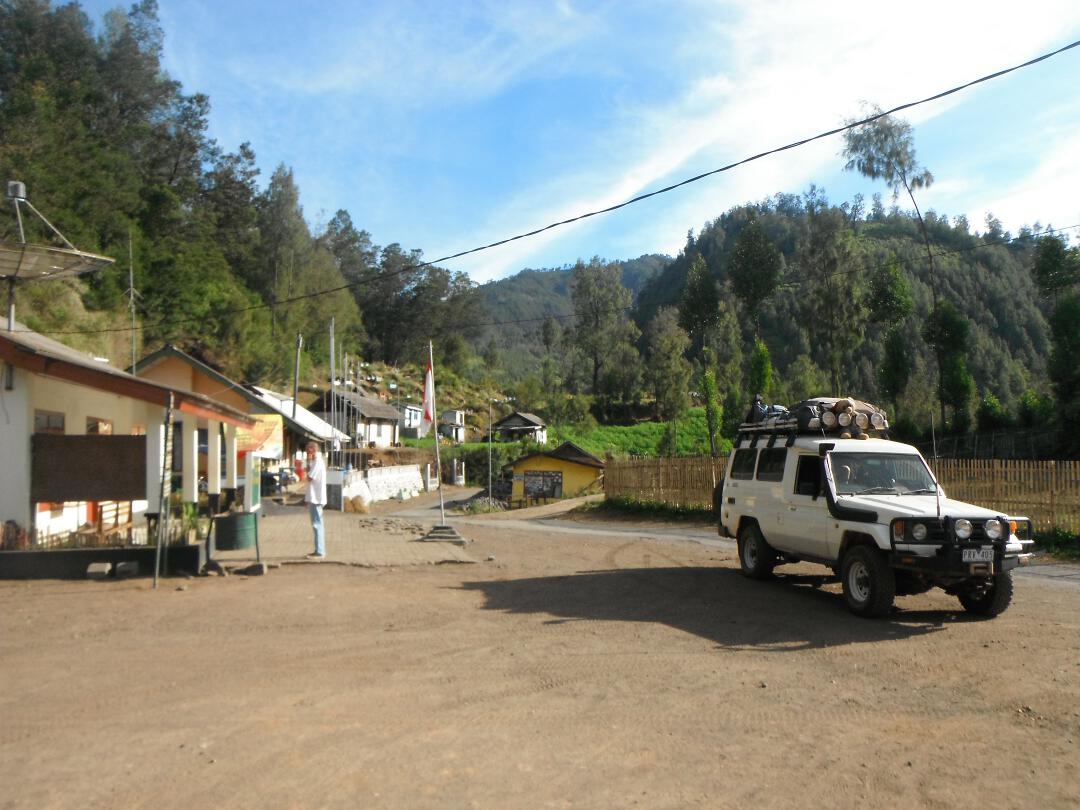
As I entered the parking lot at Ijen, I was greeted by “Brice? C’est toi?” so I turned around and recognised Isabelle and Anthony. They were the Belgian couple I met on Shark Bay in Western Australia last March. Small world. We did tell each other back then we’d be in Indonesia some time but I completely forgot about it. What a coincidence. So we exchanged our phone numbers quickly and they were rushed out by their “ojeks” (small motorbike used as taxi). We’ll try to catch up again tomorrow or so, to at least have a drink together.
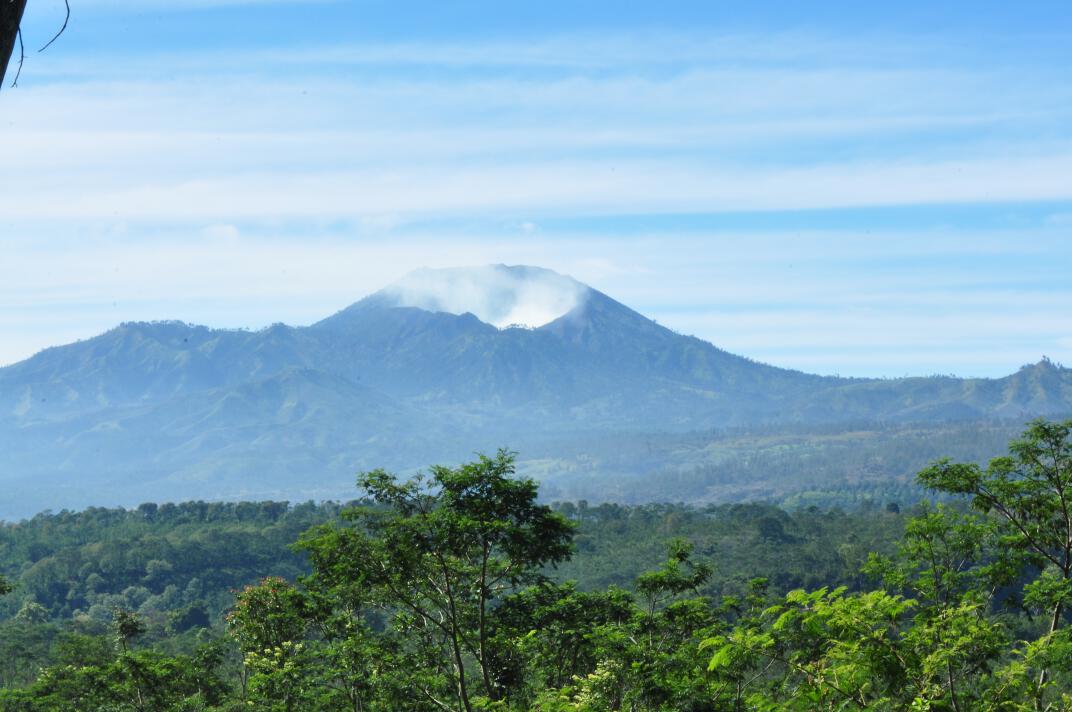
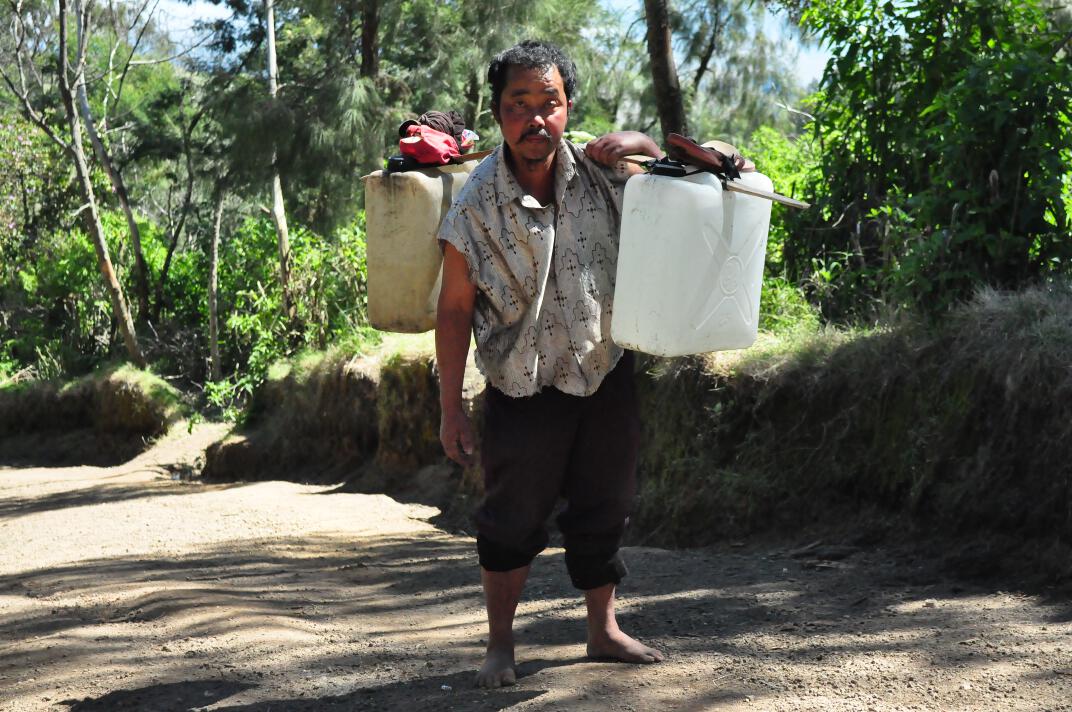
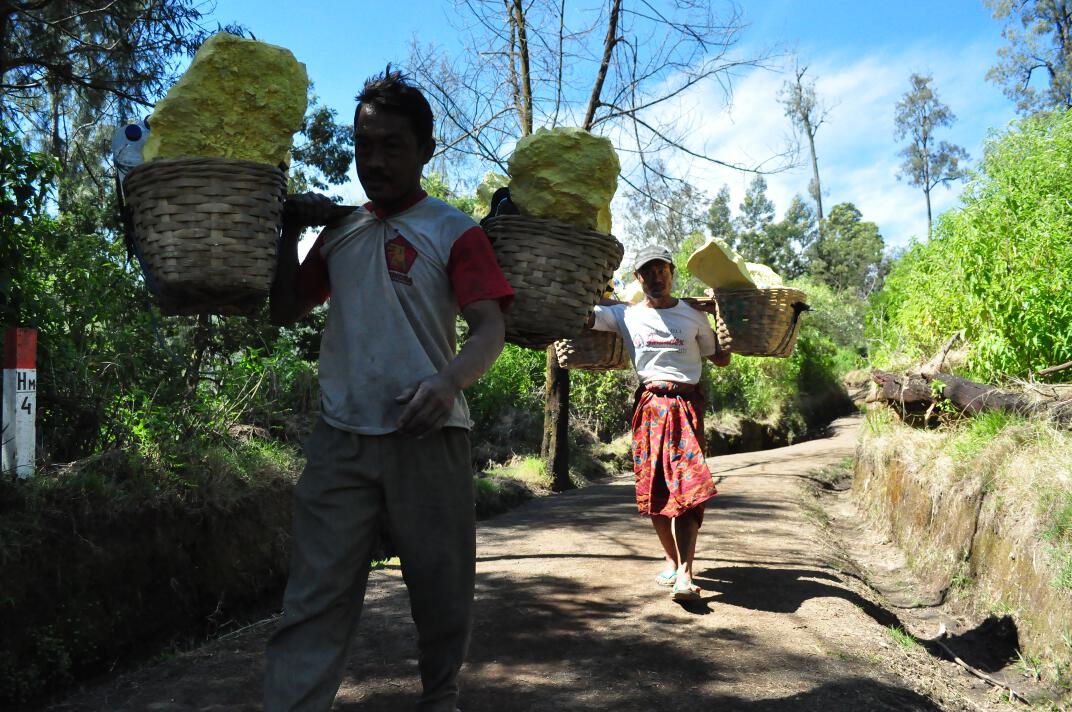
Ijen is a volcanic plateau, as most of Jawa and in fact most of the country is, but this one is special. It produces sulphur, and still today, workers go up and down the 4km steep climb to bring down baskets of raw sulphur on their shoulders. They’re paid about 5 dollars per day for that. On the way up, I only had a backpack with two litres of water and a camera, and I was rooted. The climb is steep, very steep, and the path is slippery as hell. I tried to imagine going down with 50+ kilos of sulphur on my shoulders, and doing that ten times a day. It’s madness. I admire these guys.
Once I reached the top, I was exhausted but the 1.5 hours hike is well worth the effort. Just like Kelimutu on Flores, the crater is filled with a deep turquoise blue lake, as thick as paint, but this time the sulphuric gases that emanate from the lake are awful. Sulphur smells like fart, or rotten eggs, so to enjoy as long as possible this view (and also the fact I am alone, which apparently never happens during the tourist season), I cover my nose and mouth with my t-shirt, and take thousands of pictures. I sat down there for an hour I think, just admiring the beauty of the place, the rawness and quiet of the earth spurting its gases. Just awesome.
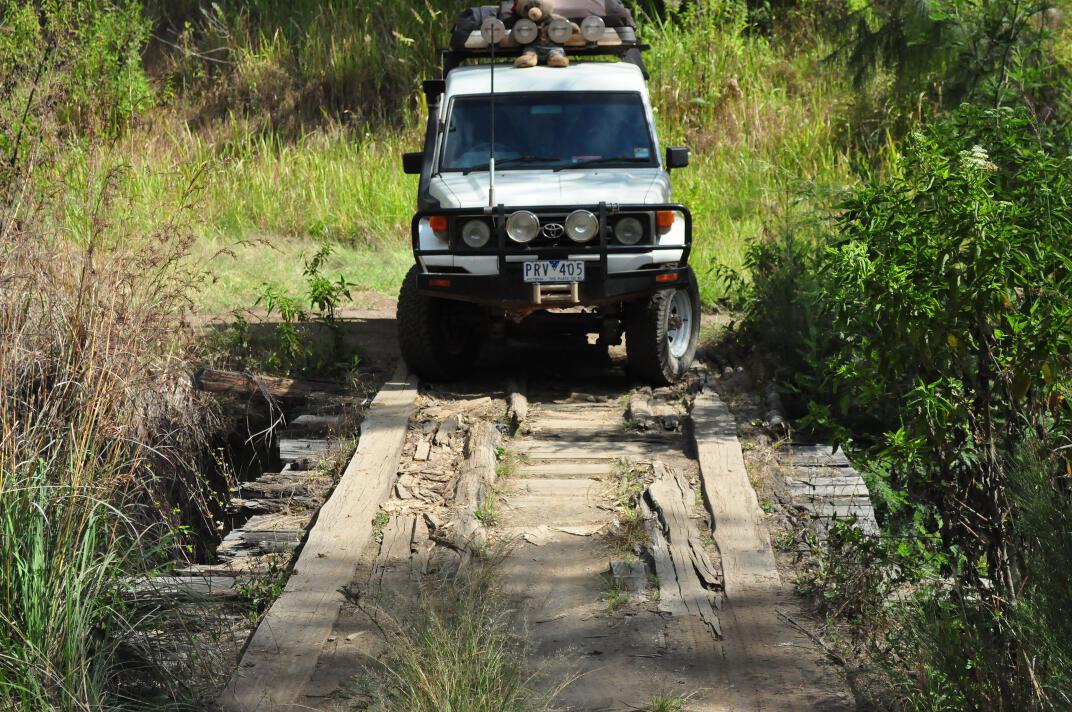
On the way down the road, I noticed a small path and thought this would be a great spot to camp. The bridge over the river into the woods looked as solid as a cooked spaghetti but truck tyres marks clearly indicated otherwise so, after checking the bridge was indeed “sort of” solid, I crossed it quickly and camped on the other side. Earlier on, in the morning, I did try to take a shower in the river only to realize the water was saturated with sulphur. Ouch ! This costed me the last few litres of fresh water which I used to clean my sore eyes and cleanup thoroughly, so tonight I am cooking, washing and showering with bottled mineral water… I guess it’s time to refill (last refill was in Dili, not bad for water consumption).
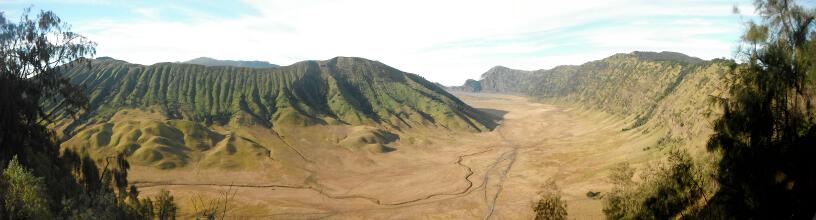
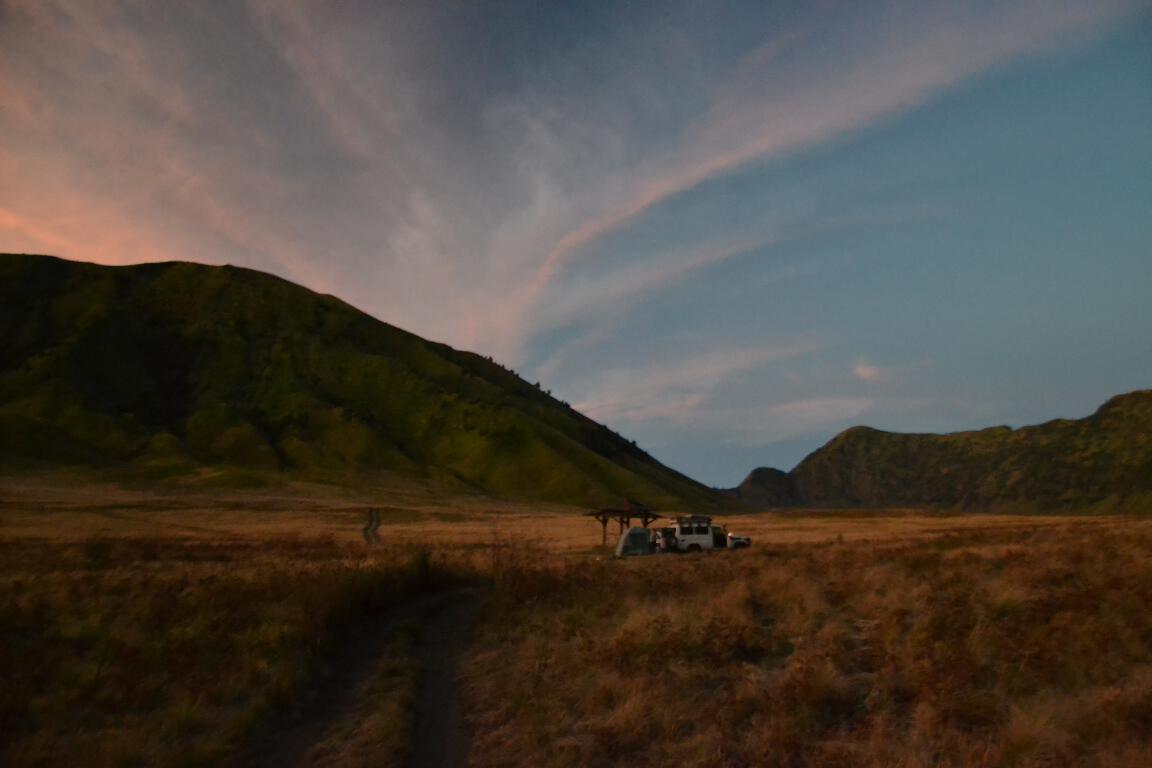
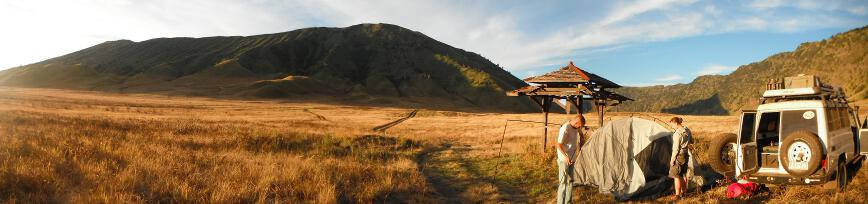
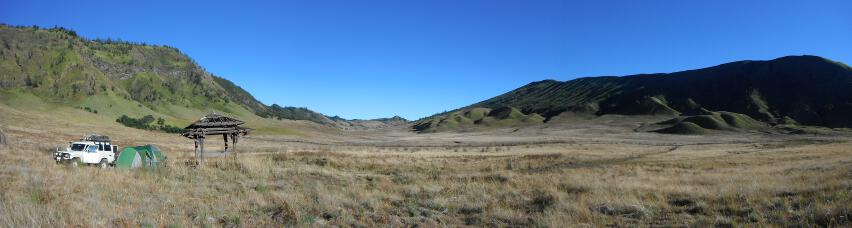
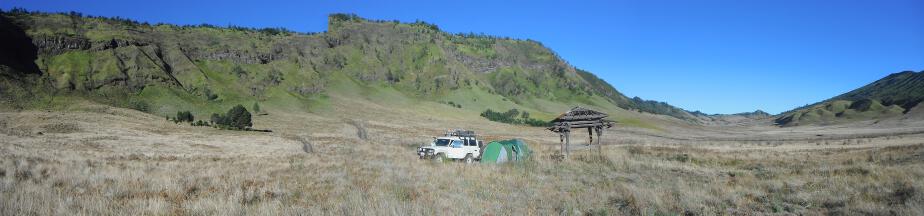
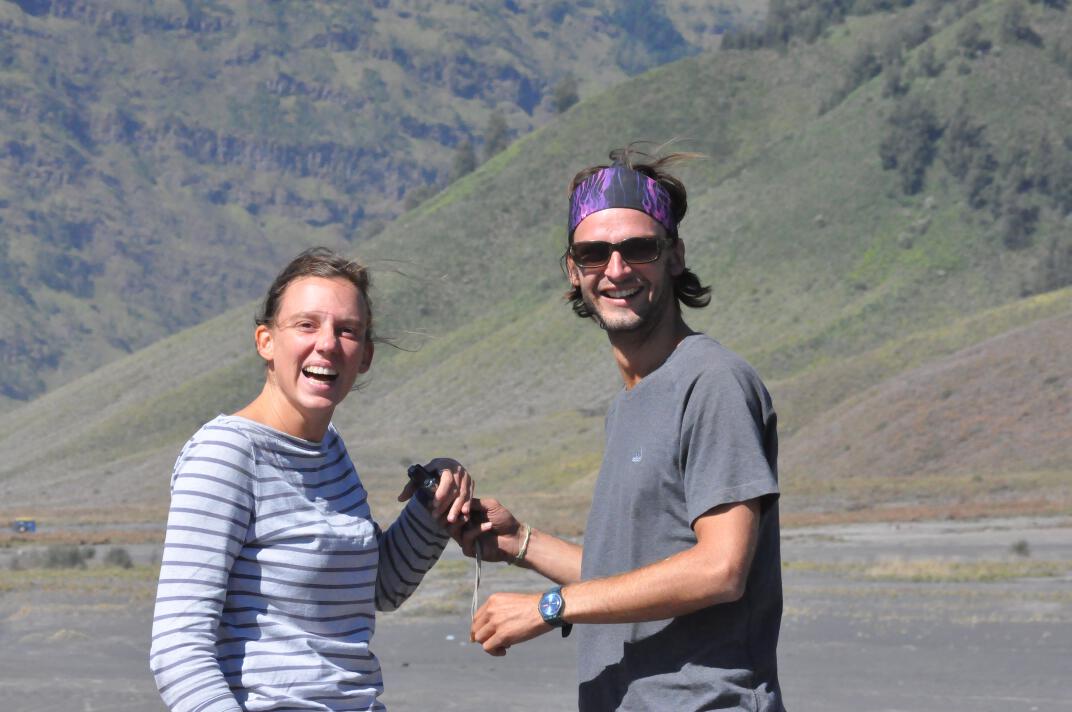
I drove down the mountains to pick up Isabelle and Anthony at their hotel and we headed for Bromo. Again, twists and turns lead us to the top of the volcanic plateau, where we had a spectacular view of the crated, and then we decided to camp there, in the crater! A very steep and very narrow path later, Troopy was down the crater. I thought about Claire on that path and could see her clutching firmly the handlebar “shhhhhh” haha.
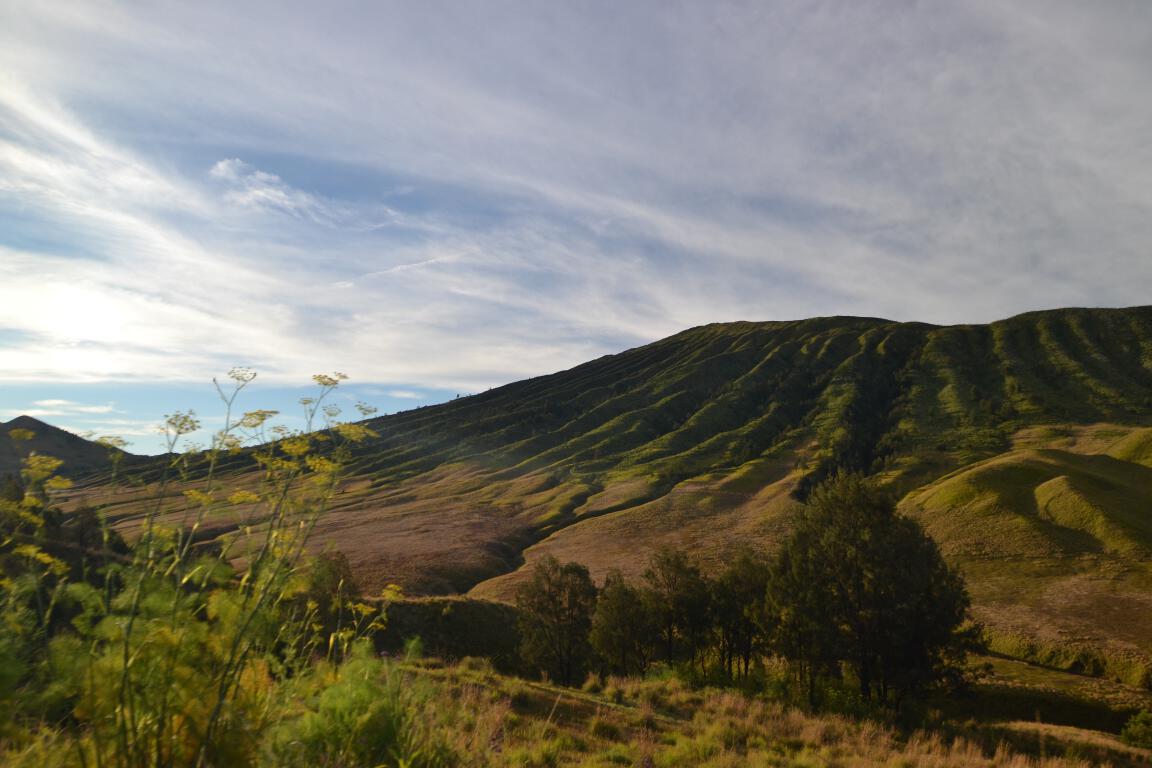
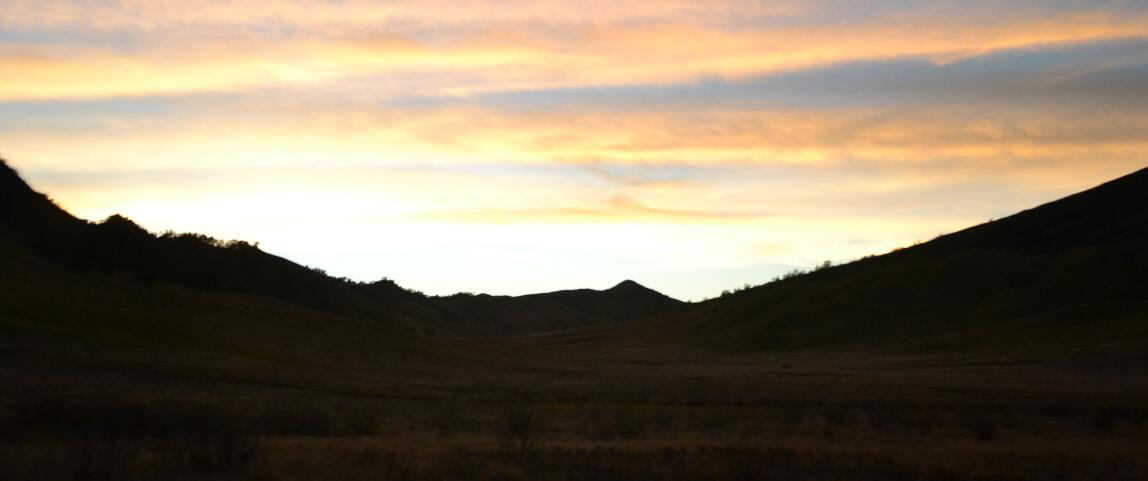
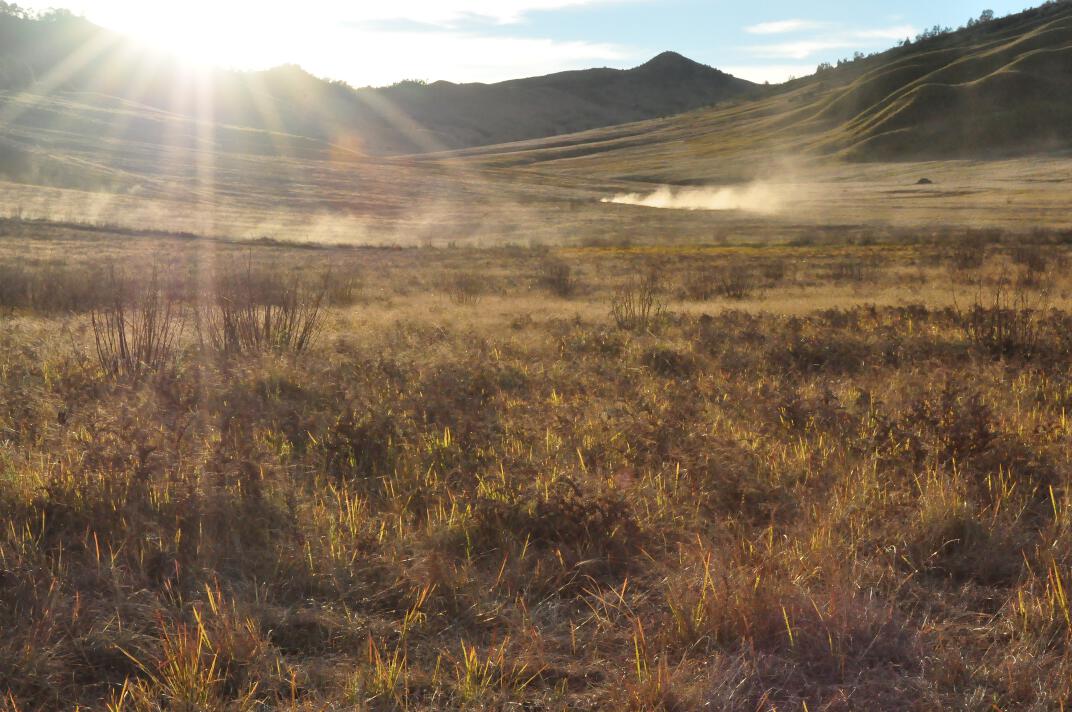
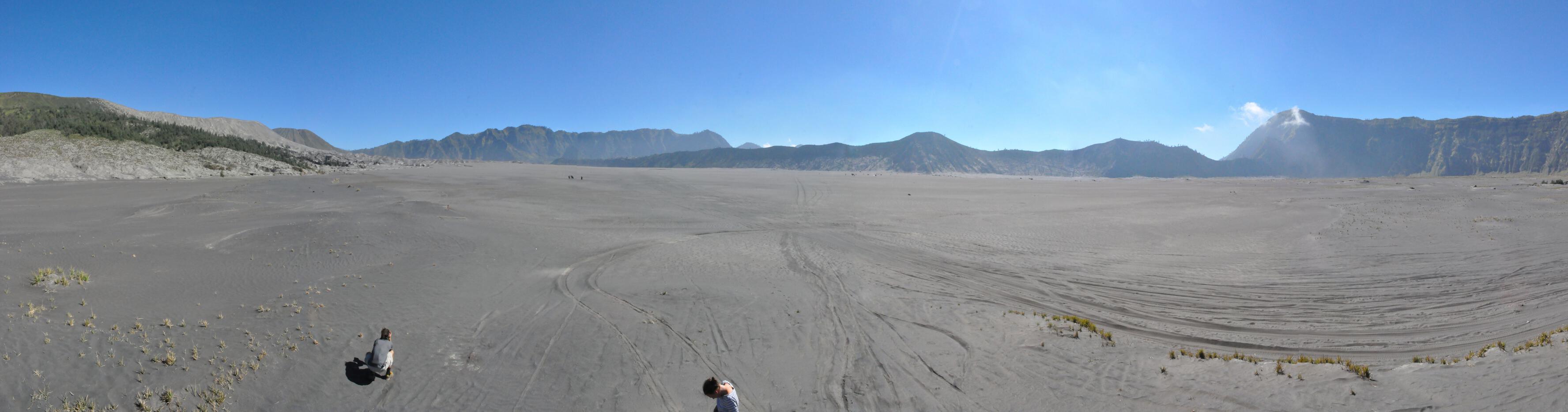
Down the crater, there isn’t much. But that’s the whole point. A few trees and scrubs, wind, and fantastic scenery of flatlands that have a Mongolian feel to it (not that I’ve yet been to Mongolia but you get the idea). Sunset in a volcanic crater, how cool is that.
Unfortunately for my guests, they had no sleeping bag since they shipped it all back from Nepal to Belgium, so they had to share the two blankets I had, in the tent we bought in Darwin (remember how I said it wasn’t very warm, that tent?), while I slept in the car. Well, they made it, frozen, but alive, and the fire the next day was just what they needed. Then the sun came up and lit the whole place ablaze. Absolutely epic!
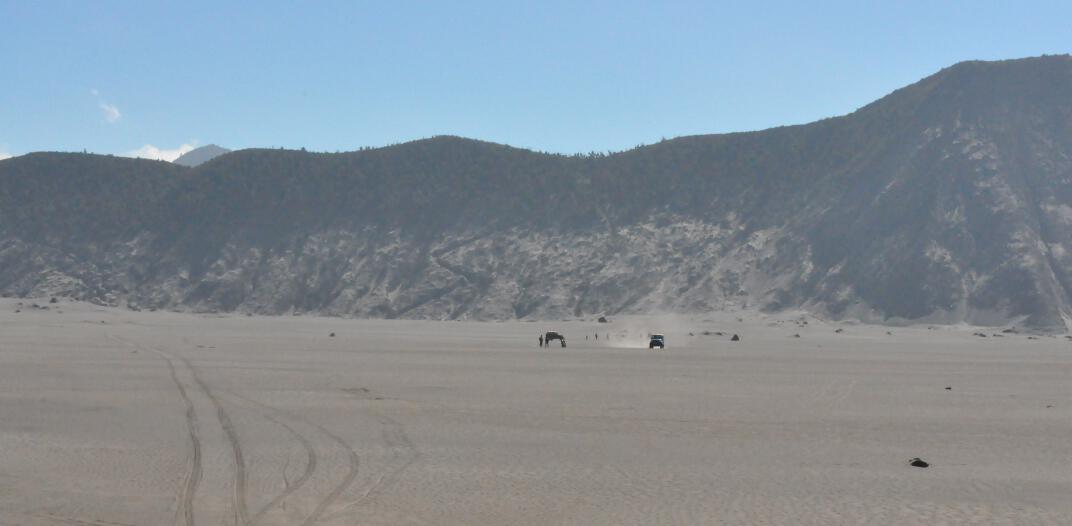
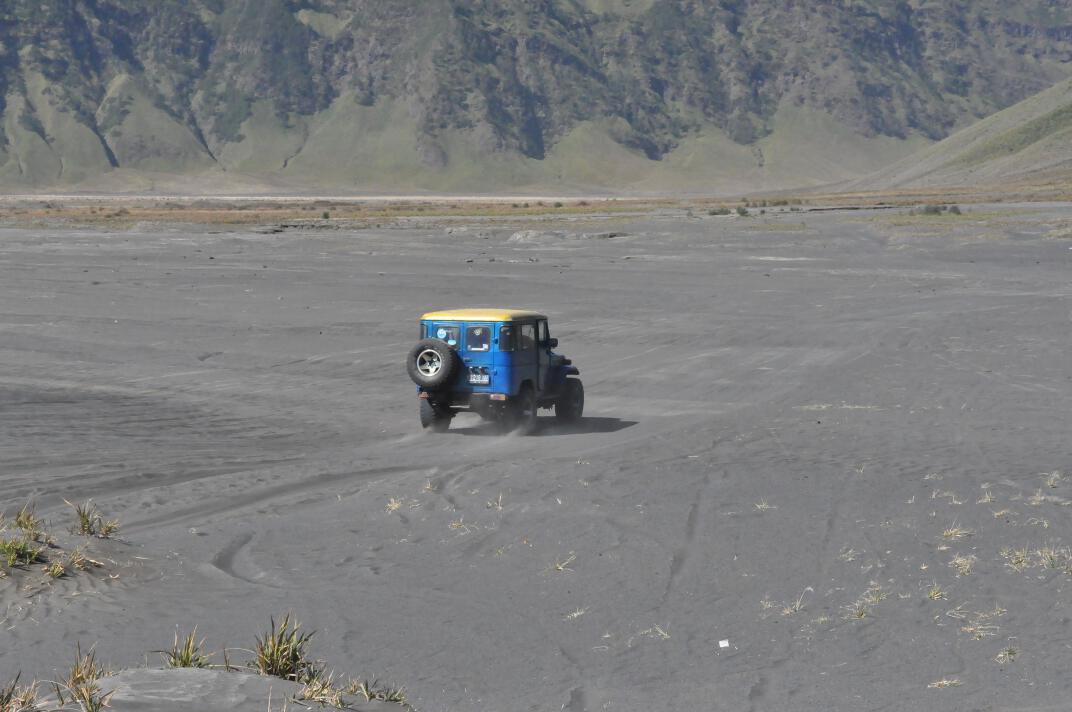
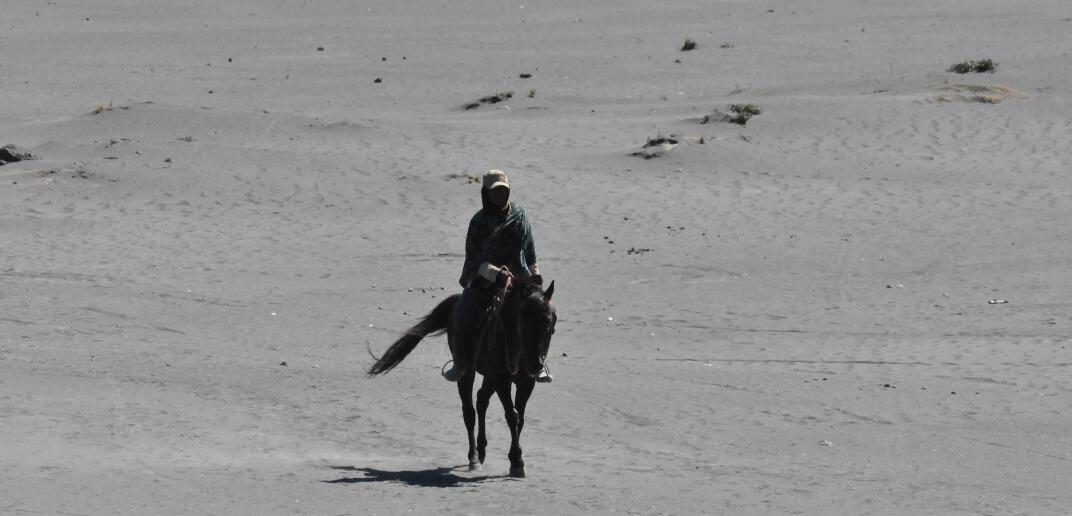
Further East, the grass gave way to ashes and we crossed numerous Toyota BJ50, the old Landcruiser model still very much present in the area. They’ve all be repainted, refurbished, and are used to drive around hordes of tourists, from the villages up the volcano to the Hindu temple in the crater. They’ve painted their cars bright blue, bright red, bright yellow, bright anything, so it brings a lot of colours in the otherwise ash-grey place.
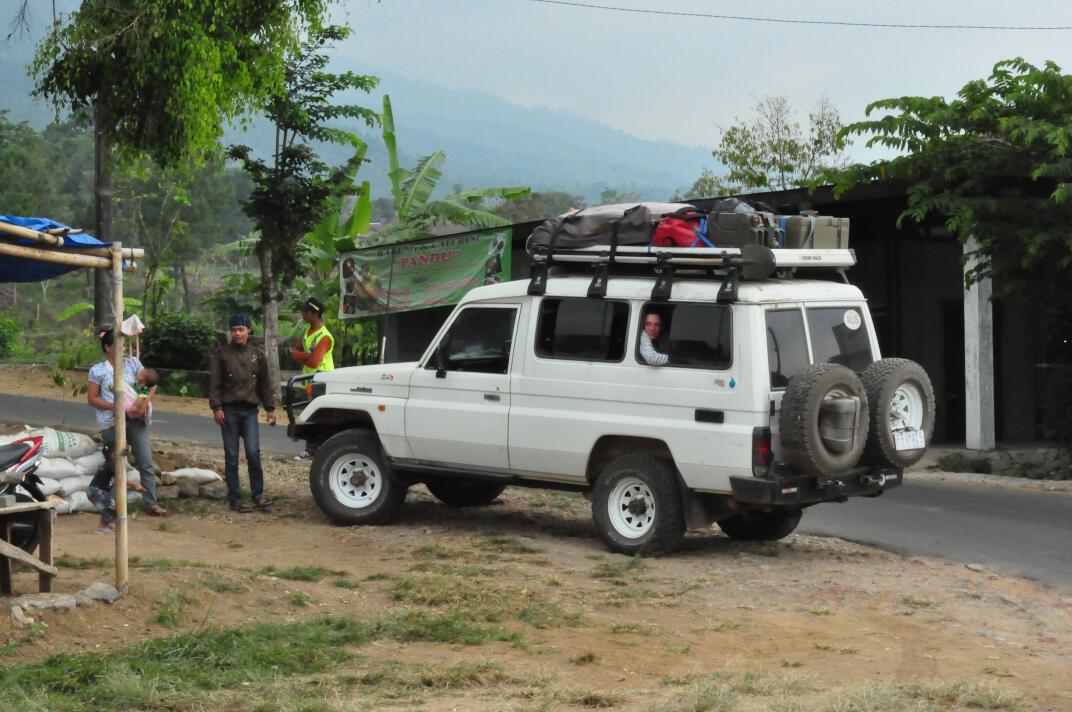
But we’ve got the best car anyways!
On the other side of the volcano, the GPS indicated only five hours down to Borobudur… Yeah well it’s the wrong Borobudur, so after driving for about seven hours, we pulled over in Jombang, in the cheapest hotel we could find with three beds and crashed, after dinner in a warung where the owner insisted on taking our picture for “testimonials”…
While Isa slept soundly in the back, Anthony kept me company for the long drive to Yogjakarta, where we would part. Around 5PM, I had one CouchSurfing host waiting for me at the university, so I dropped my friends there, and went along with Ardian, my host for the night. Goodbye Anthony and Isa, I wish you both safe return to Belgium, I know it will be hard to get back to “normal life” but you can always come back, can’t you?
Three years ago, Ardian hosted Guillaume, my flatmate from Noumea. He’d been traveling through Asia before reaching New Caledonia for work. I said it before: it’s a small world (it’s even smaller now that I know Isa and Antho are close friends with another traveling couple, who are friends with Frederic, who’s my friend joining me mid-August in Malaysia for two weeks of fun).
Ardian is, amongst many things, music teacher at University, and I got to witness a Gamelan rehearsal. Gamelan is the traditional music ensemble in Jawa. Think of an orchestra with drums and pianos and xylophones only. It’s metal only, no strings, just drumming on metallic instruments. At first it sounds like cacophony but slowly the ear gets accustomed to the five notes (we have eight, remember) and it gets more and more melodic. It still has a very mathematical or square feel to it, but you can clearly feel the meditating beat get to you. Very interesting.
After rehearsal, he introduced me to my flatmate for the night, Dimitri, from Russia. Journalist and traveller, he’s been in Indonesia for a few weeks, on foot. Last night he broke into Borobudur to spend the night… Russian are crazy. And though he does not speak English much, he sure farts a lot when he sleeps.
Once the groceries done, at Carrefour again, I bought my fifteen postcards and headed for Borobudur.
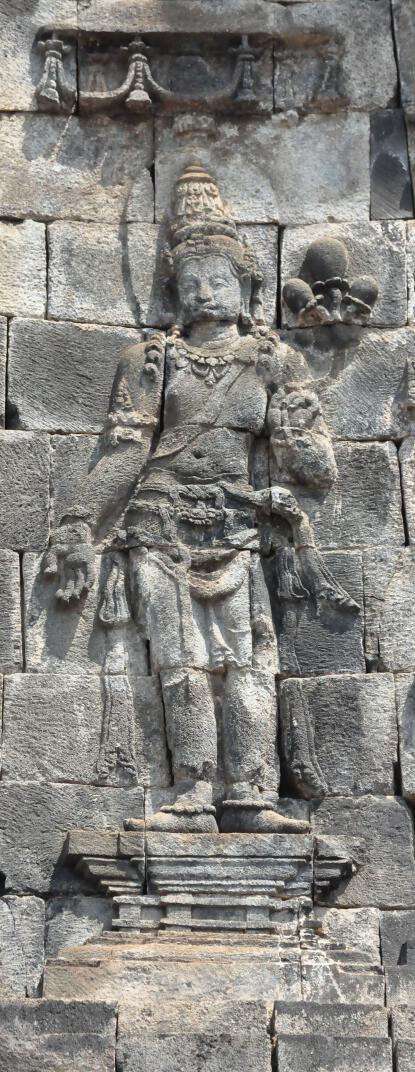
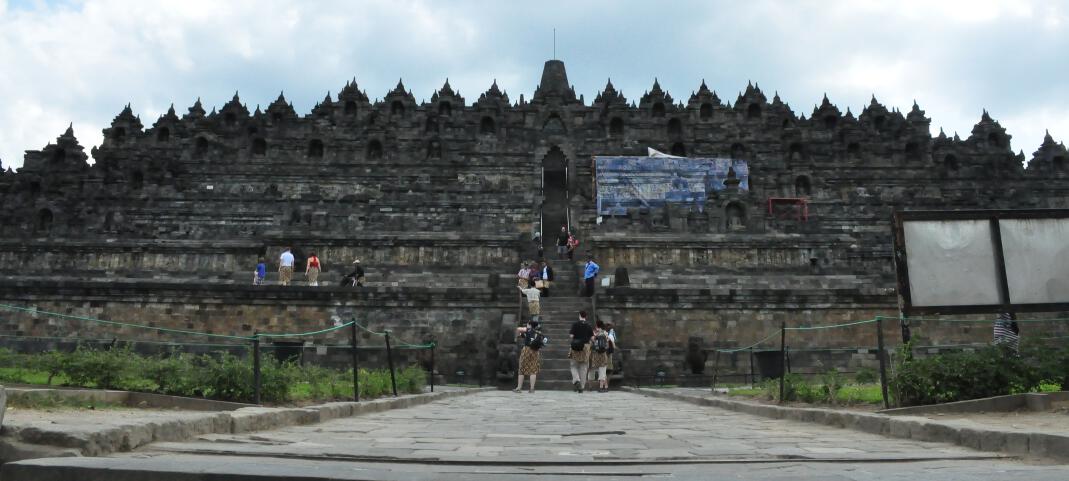
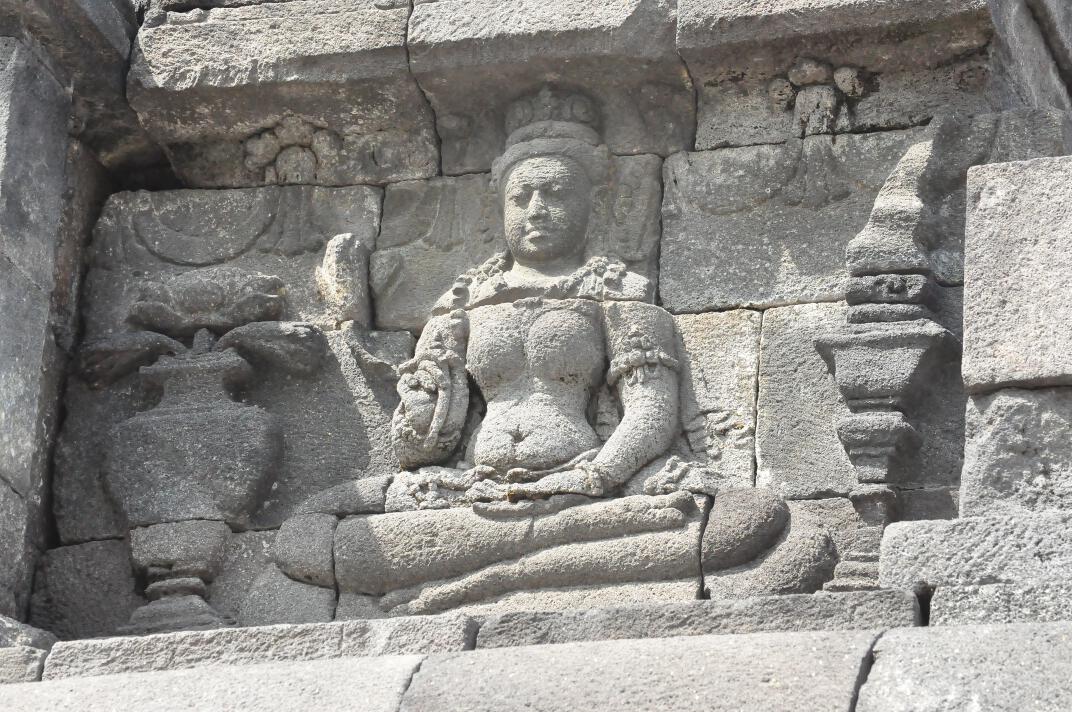
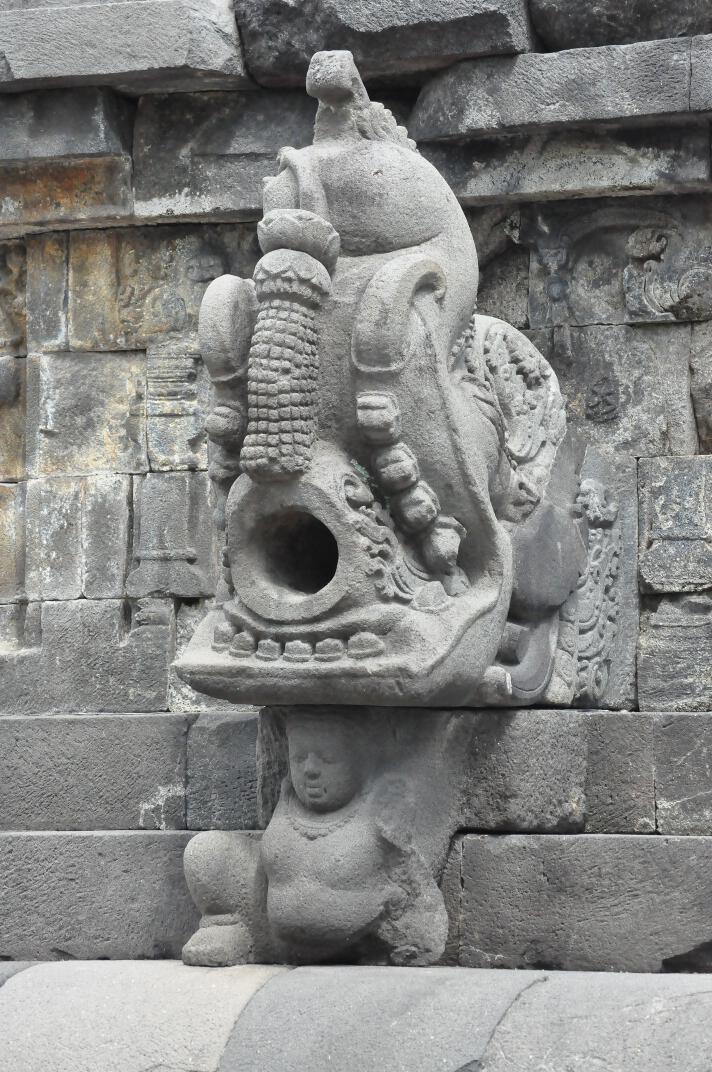
Built in the 9th century by Buddhists, it’s a massive stone pyramid, of six levels, with statues of sitting Buddha in bell-like cages. The place is really impressive, it’s huge, ancient, beautiful, enormous and you can see all the Indian influence at the time. There was more than 500 statues of Lord Buddha but a lot of these are now broken, or simply gone.
It was covered in volcanic ashes for centuries until a British officer re-discovered it in early 19th century. It’s now under rehabilitation and restoring, even more after it was bombed by an extremist in 1980.
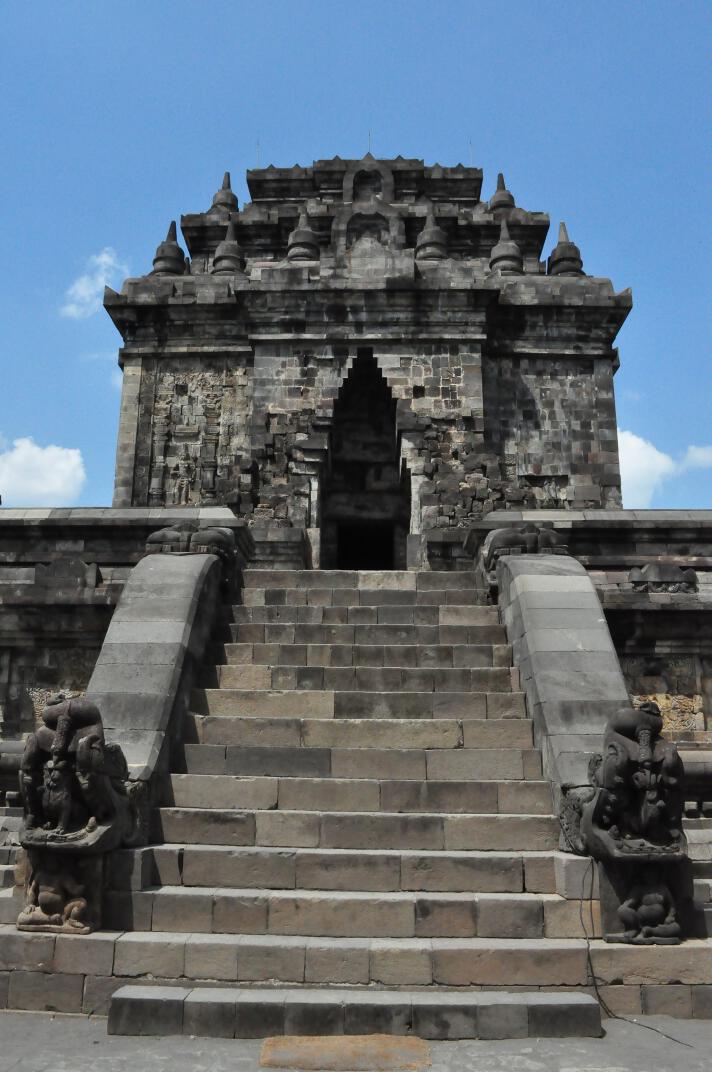
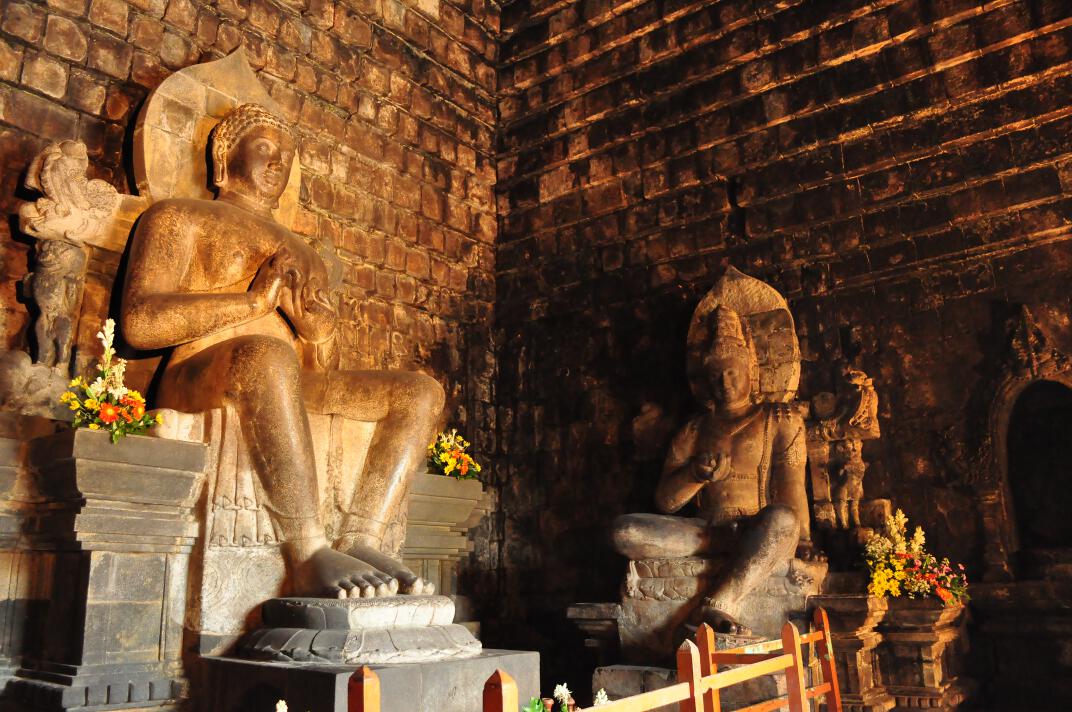
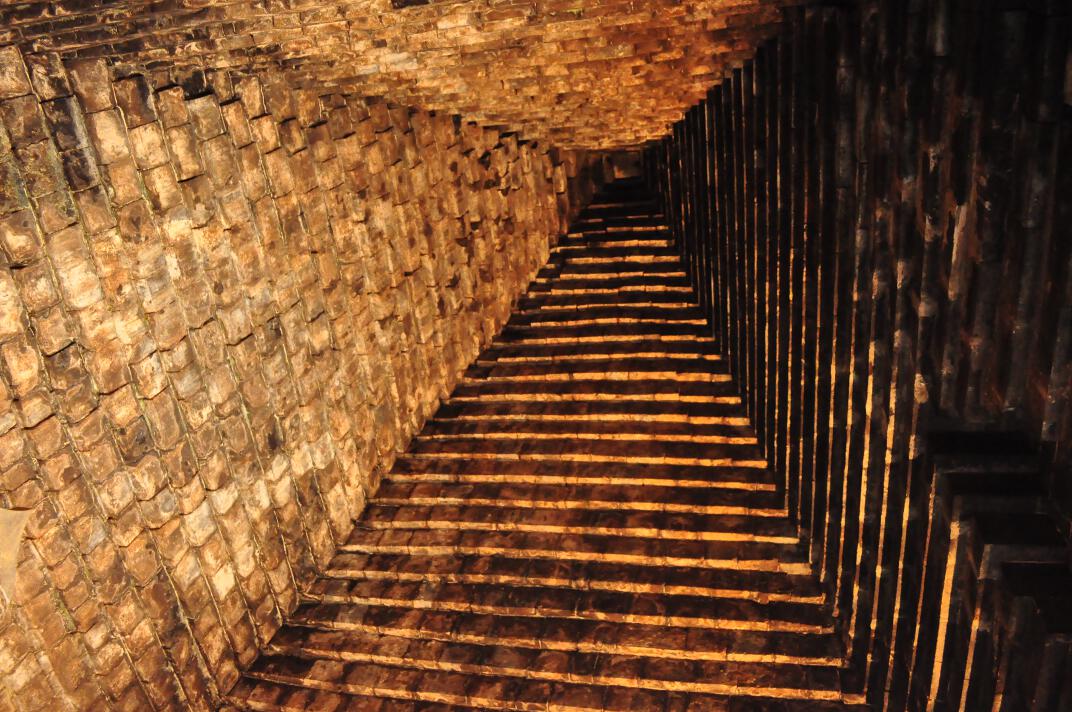
So, after first visiting the nearby “Candi of Mendut” which is another Buddhist temple, this one also from the 9th centrury, but a lot smaller. It still has beautiful ornaments and most of it, three huge statues of Buddha, sitting European style for once. Borobudur itself is not just the temple but all the area surrounding it, with various statues in the parc, and of course the hundreds of hungry hawkers trying to sell bottled water or souvenirs at high price. No thanks.
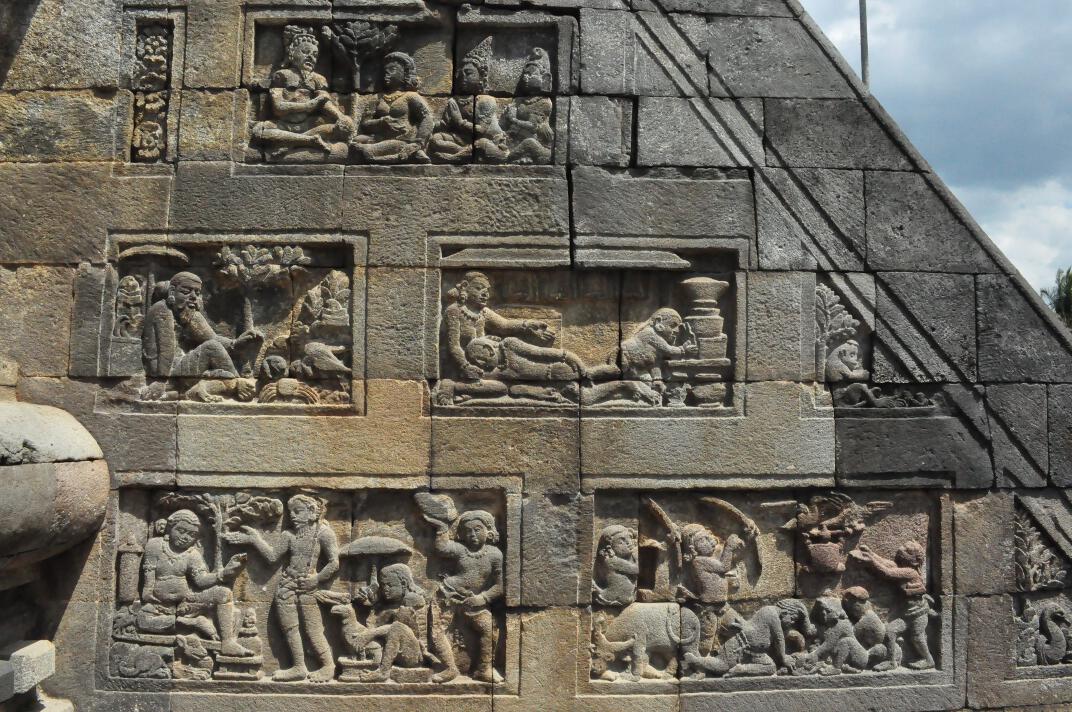
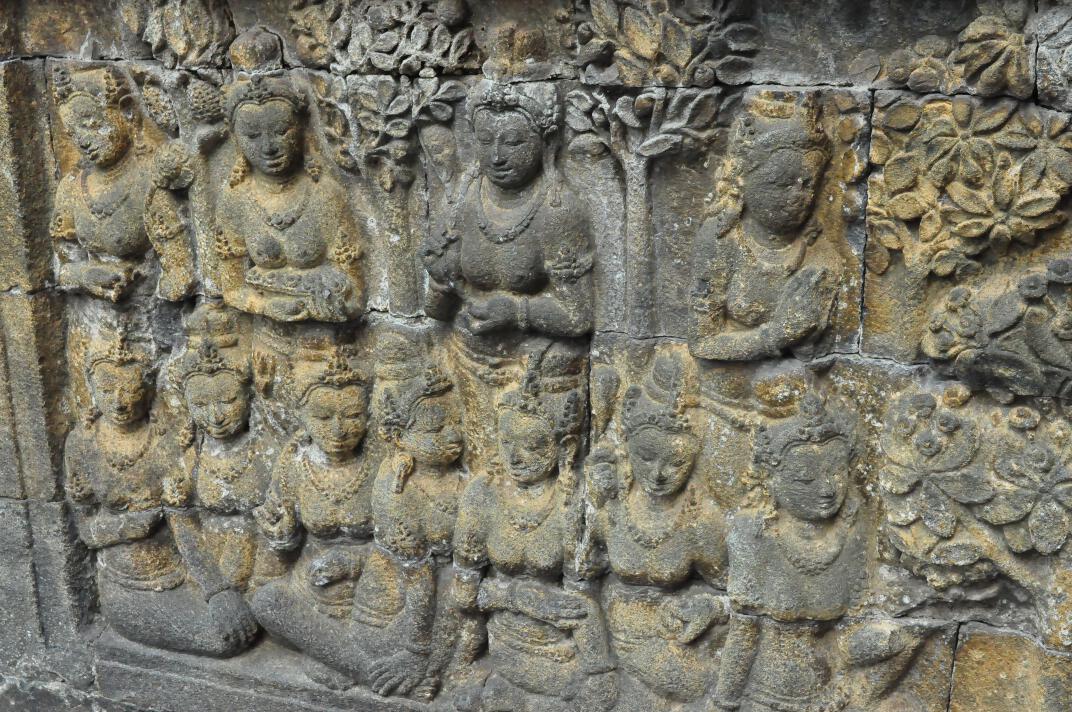
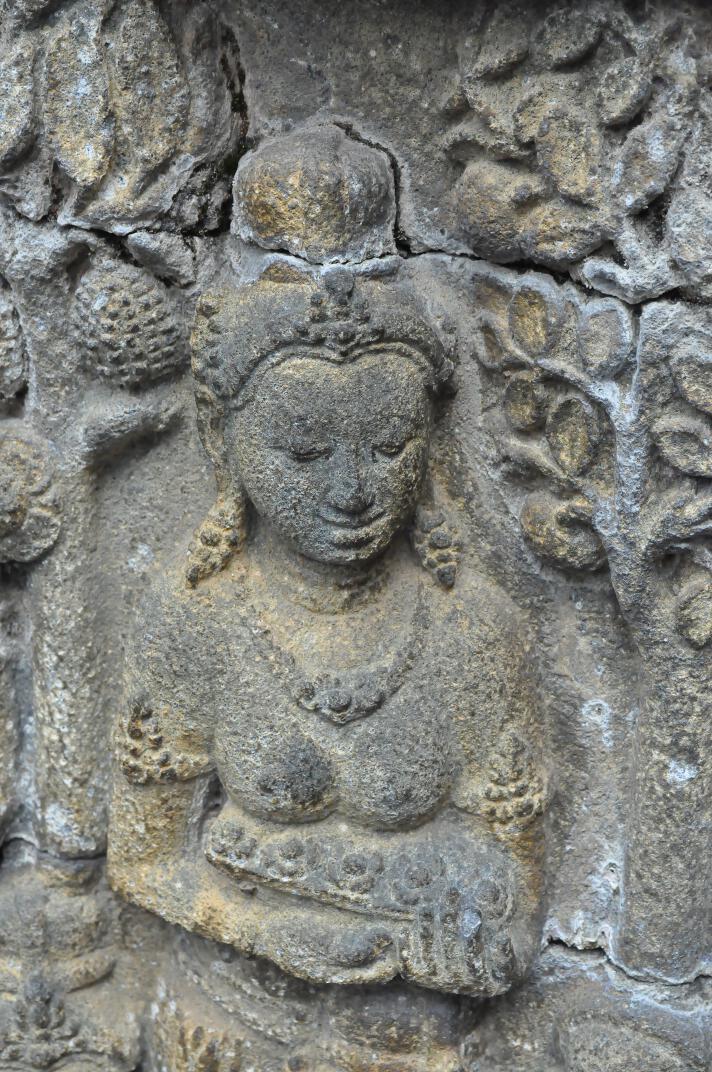
Walking around and inside the temple should be done clockwise, level after level, and admiring the perfection in details of each engravement. They can ben scenes of everyday life amongst the gods, erotic scenes, hunting or fighting scenes, each with such precision it’s like watching a movie. The details and the finesse of each sculpture is phenomenal. Of course there’s always the odd tourist walking anti-clockwise, or running to the top and climbing the statues for the odd photo, but most people respect the place. Well it’s expensive to visit (for Indonesian standards, 20AUD is a lot of money) but definetely worth it.
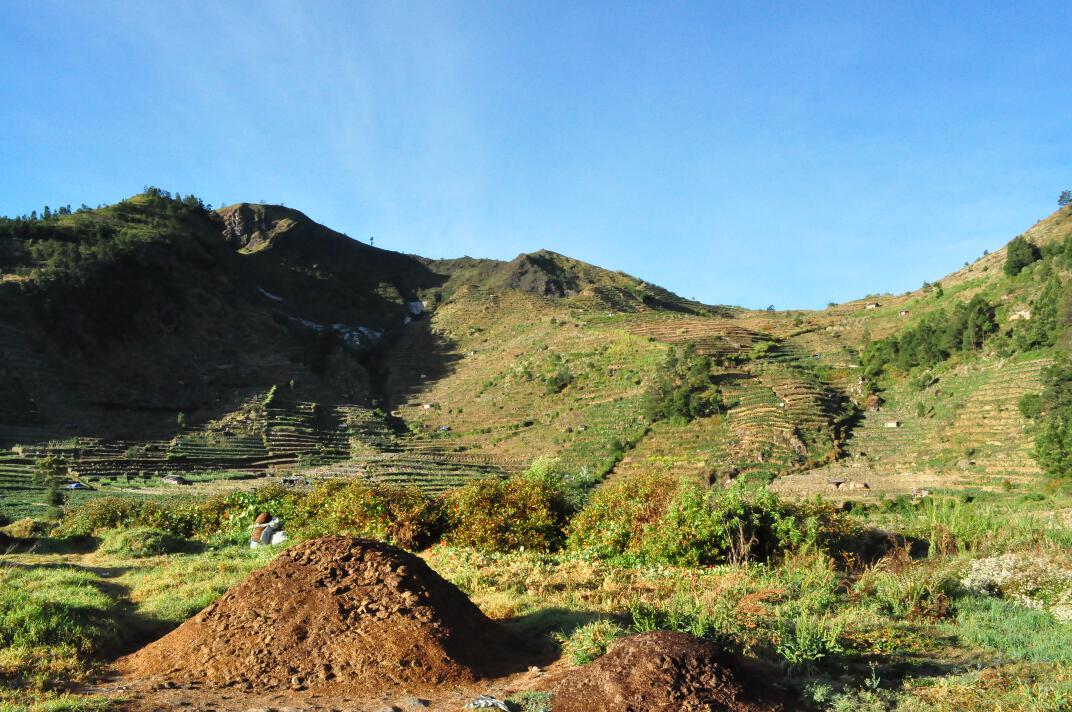
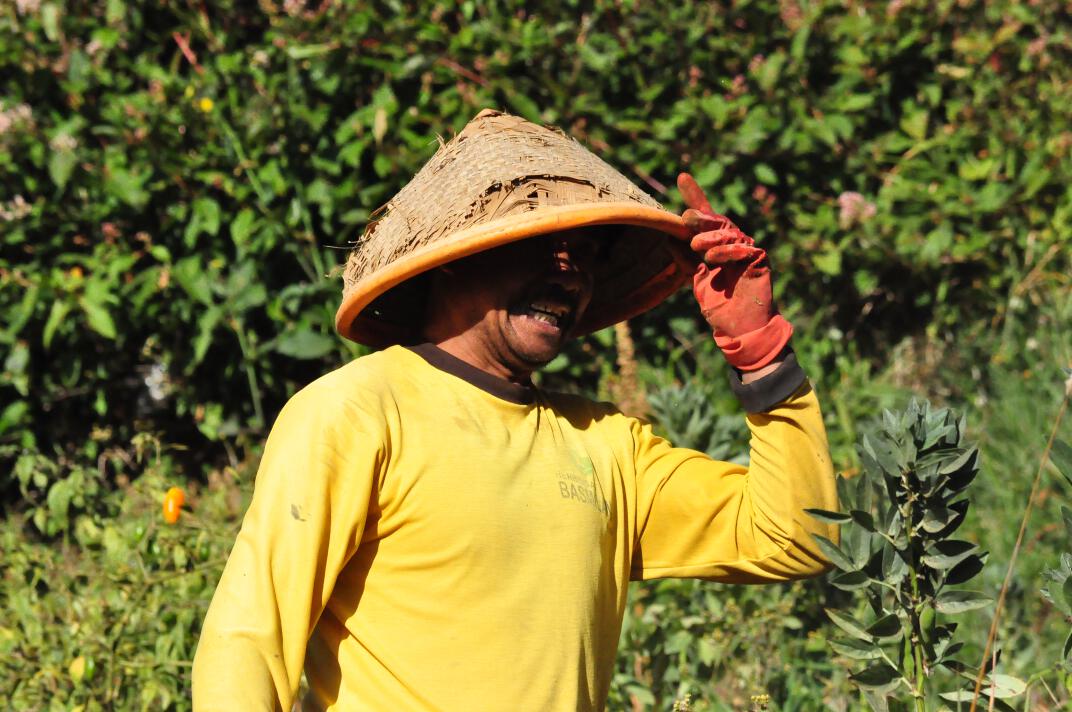
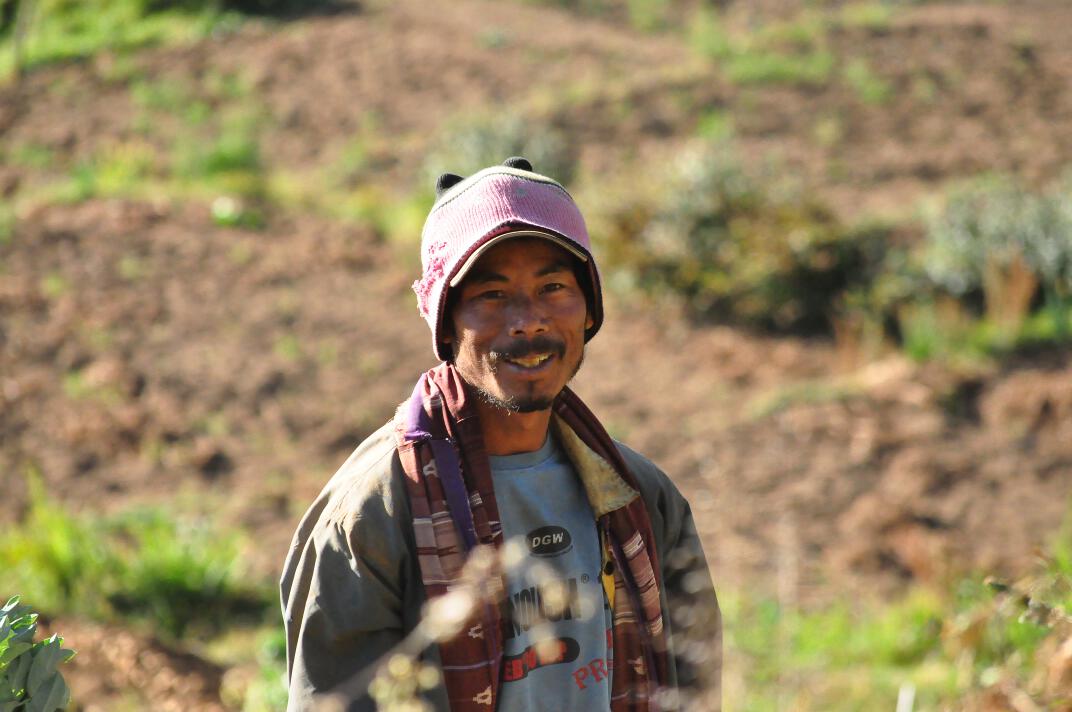
After Borobudur I kept my way North-West across the mountains and ended up on the Dieng Plateau, one of the high plateaus in Jawa. As I explained before, the reason behind looking for campspots in the mountains is I need quiet, privacy, and cold temperatures for a good night sleep. If I stay on a beach or too close to a village in the valleys, I have no privacy, no quiet and a very high temperature, not great when you want to relax after a day of traveling. So as I parked on top of a high peak outside Dieng village, a farmer came up to me, I hadn’t seen him as it was dark already and we started chatting. Well, chatting is not quite the word for it, as he did not speak much Bahasa Indonesia, let alone English, and I do not speak Bahasa Jawa at all. But we managed to understand each other and after explaining I drove from Australia to here, on my way to Belgium, he was amazed I chose this location to sleep in my car. That of course was even weirder, why a stranger would volunteraly spend the night in his car is obviously beyond him, so he simply invited me to follow him on his motorbike, back to his place. Okay then, off we went back to the village, into his house, and quickly dinner appeared on the table, kopi (one cup of coffee, two tablespoon of sugar, a lot of milk), cigarettes and thousand of questions in a mix of Jawa, Indonesian and “Engrish”. They were Mulsim, very poor, had hardly ever invited a stranger into their humble home, but gave me things I’ve never found in Europe : genuine hospitality. Put yourself in their shoes for a minute, imagine you’re minding your own business, then a stranger comes up and asks in the few words he knows of your language: hello mister, permission camping here tonight yes? He’s dirty, drives a vehicle you’ve never seen, wears odd clothes, smells a bit and looks like he just about to commit murder. Now, would you invite him to your place, give him your best room, and give him your last bottle of French wine, or the nice juicy steak you’ve been saving for days in the fridge? Come on, seriously, you’d toss him out in the street and lock yourself in, pronto. I know I would.
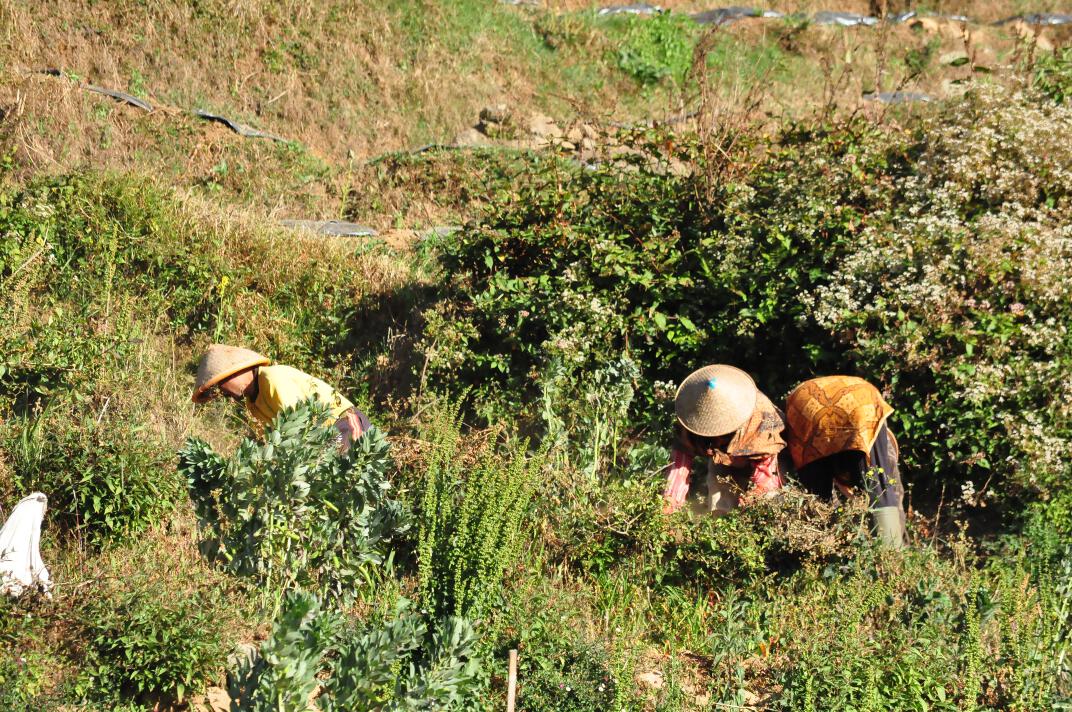
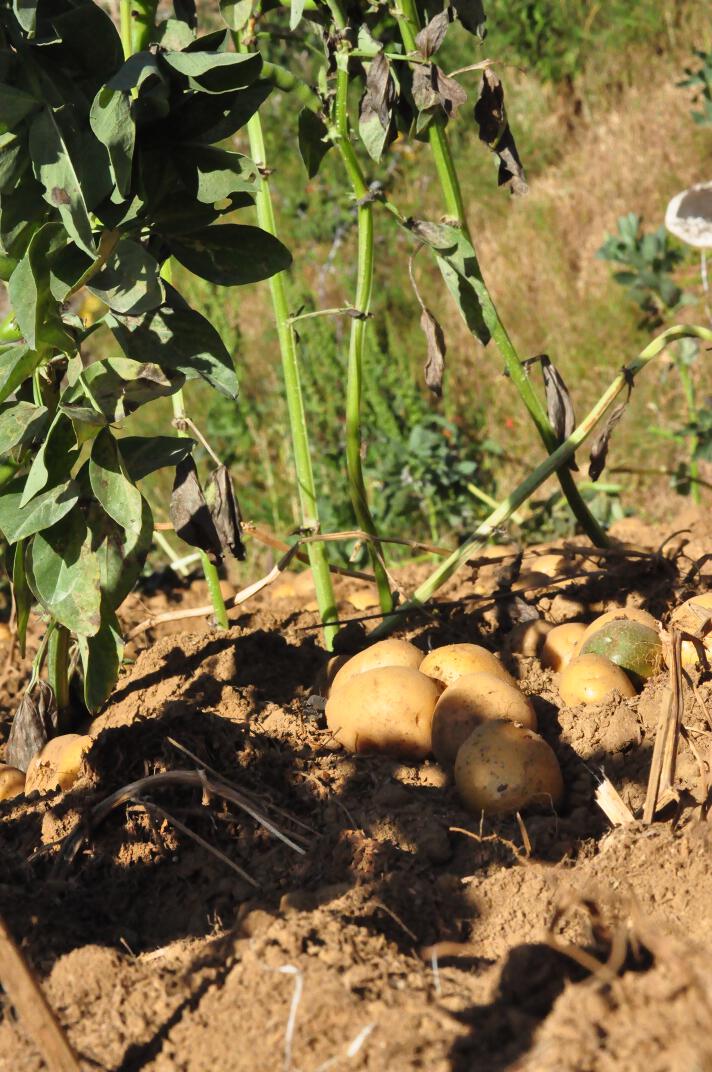
The next day, he took me back to my “campsite” to visit his potato field with his wife, gave me a few spuds and we parted. I’ll never forget this. Try spending a night and communicate with a whole village with just ten words.
After mailing my dozen postcards (you should receive these in a month or so, for those who’ve signed up on it), I continued North-West towards Jakarta. The closer I got to the capital, the harder it was to find a quiet campspot but I managed to find a hill, in a forest and parked alongside the path. Luckily the three or four people who passed by weren’t too curious and minded their own business, we exchanged a few words but they let me have dinner and spend the night without interruption.
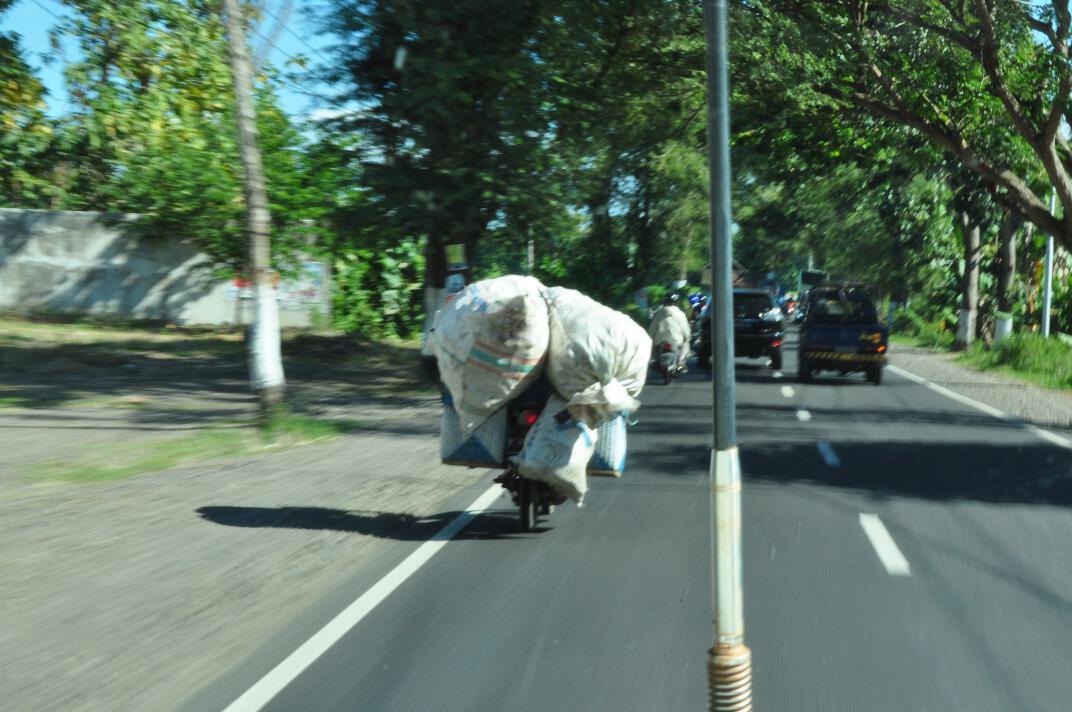
Further up, the main road turned into hell and traffic intensified. Overloaded rusty trucks spurting black clouds of fumes at 30kmh sharing the road with modern coaches overtaking them at 90kmh with no regards for safety, theirs or others, made things very hard to drive. Then the road widened and turned into a toll highway. Here it’s even worse. The few cars and coaches drive without speed limit, and the trucks struggle to keep a steady 40kmh. One second of inattention and you’re out. Pure madness. I exited the highway to find a quiet(er) spot but the only thing I found was an industrial park. Jakarta’s suburban extends for hundred of square KM and it’s now impossible to get to a village, let alone a forest or a mountain.
At first the policeman was reluctant but he eventually let me park in the dark corner of this bush, bordering the industrial park. I had time to cook, eat and even shower until three more security guards came up to me and explained I had to move. After much deliberation, they drove me to the closest police station and told me I could sleep there. So I did, I spent the night in, what I thought was, the police station carpark. In the morning I realised it was not a police station, but merely a police kiosk, right in the middle of a busy junction, at the start of the highway next to the toll booth. Well that explains the traffic last night. Crazy night.
From then on, I had two choices, either the smaller roads to Menak, the harbour town to get the ferry to Sumatra, or the toll highway. Looking at the map, it’s suburb after suburb around Jakarta so traffic is going to be insane, so I chose the highway. Well, traffic was bad here too, one hour to pass the capital, but at least I got to Menak in three hours instead of two days. I boarded the ferry across and took the three hours time to write this article. We’re getting closer to the equator here, so the hull where all the cars and trucks are parked down below is as hot as an oven, with hardly any oxygen so I write these last words on Jawa sitting on the top deck, enjoying the sea breeze and the sun. Life could be worse.
Distance to-day: 1965km, total: 25173km

































 RSS - Posts